
 English
 中文简体
中文简体 عربى
عربىFan Iron Cover
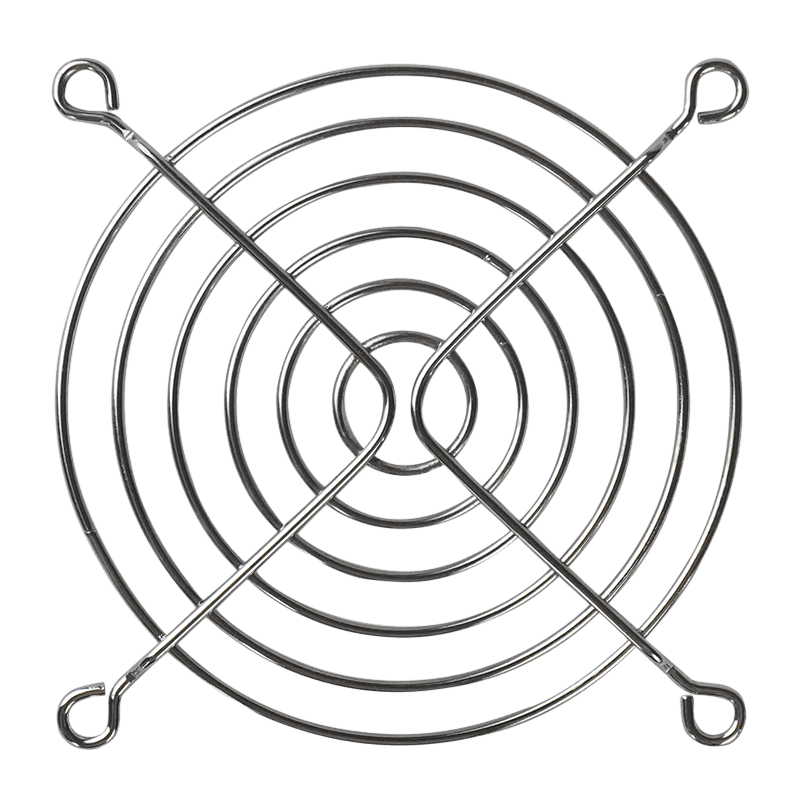
The Fan Iron Grill Guard serves as a critical accessory, prioritizing safety and func...
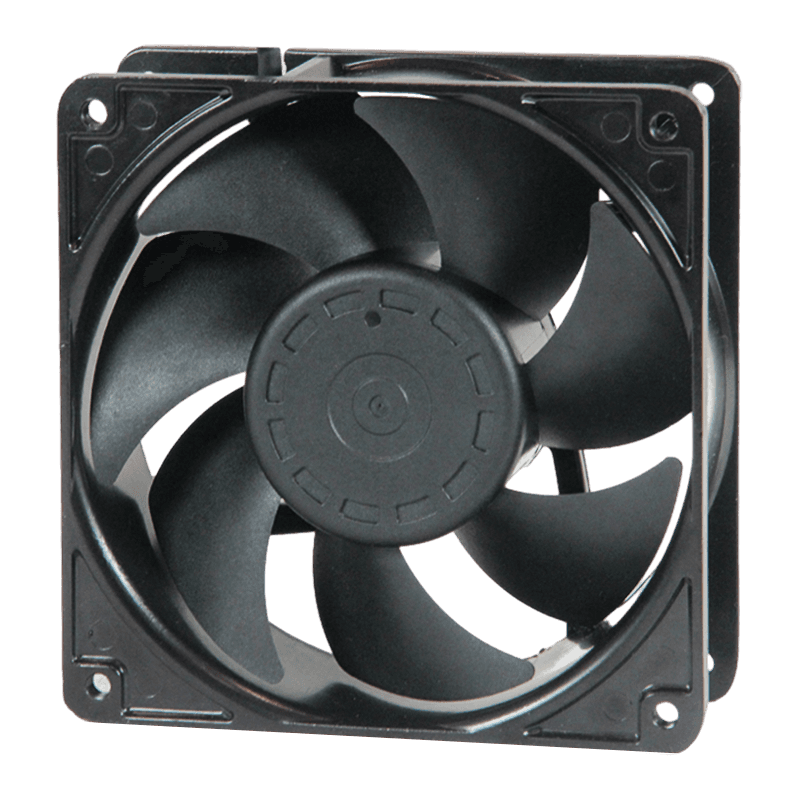
Energy efficiency is a major public concern, especially as electricity costs and environmental awareness increase. Although AC fans are generally less energy-efficient than DC fans, modern 4 inch AC fans have improved significantly due to better motor design and manufacturing precision.
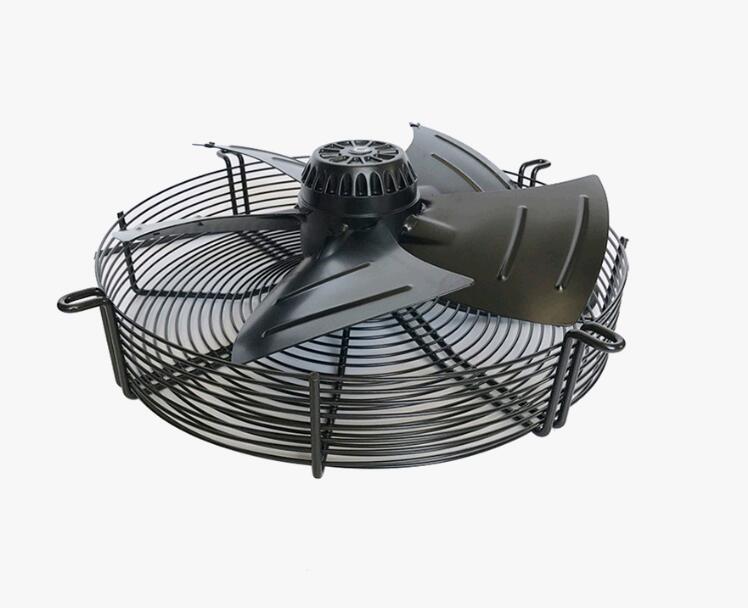
From a technical standpoint, AC fans operate directly from mains power and do not require external power conversion, which simplifies system design. However, they typically consume more power for the same airflow compared to DC alternatives. Manufacturers address this by optimizing motor windings, blade geometry, and bearing systems to reduce power loss.
In real-world use, the energy impact of a single 4 inch AC fan is relatively modest. Efficiency becomes more relevant in systems using multiple fans or operating continuously. For such applications, selecting fans with certified efficiency ratings and matching airflow capacity closely to actual cooling needs helps limit unnecessary power consumption.
Noise generation is a frequent concern for users, particularly in office equipment, medical devices, and residential installations. Fan noise mainly comes from motor vibration, airflow turbulence, and bearing friction.
Key noise-related considerations include:
Blade design and balance: Well-balanced impellers with optimized blade angles reduce turbulence and tonal noise.
Bearing type: Sleeve bearings tend to be quieter initially, while ball bearings maintain stable noise levels over longer service periods.
Installation conditions: Improper mounting or restricted airflow can increase vibration and perceived noise.
Modern 4 inch AC fans are often designed with noise reduction in mind, but they are generally louder than equivalent DC fans at similar airflow levels. For noise-sensitive environments, users may choose lower-speed models or install vibration-damping mounts to improve acoustic performance.
Safety is a key public concern because 4 inch AC fans are commonly used in unattended or long-running equipment. These fans are designed for continuous duty, but safety depends on proper selection and installation.
AC fans typically include insulation systems rated for specific voltage and temperature ranges. When operated within these limits, the risk of electrical failure is low. Many models also comply with international safety standards, such as insulation class requirements and flame-retardant housing materials.
Thermal protection is another safety consideration. While smaller AC fans may not include built-in thermal cutoffs, system designers often rely on external fuses or temperature sensors to prevent overheating. Adequate ventilation around the fan housing further reduces risk.
In practice, safety issues usually arise from incorrect voltage use, poor wiring, or operation in environments with excessive dust, moisture, or heat. Proper specification and routine inspection are therefore essential to safe long-term operation.
Reliability is a major factor for both consumers and equipment manufacturers, particularly in industrial and commercial applications where downtime can be costly. Public concern focuses on how long 4 inch AC fans can operate without failure and how predictable their performance remains over time.
Reliability is influenced by several factors:
Bearing quality: Ball bearings generally offer longer service life under continuous operation and higher temperatures.
Operating environment: Dust, humidity, and corrosive gases can shorten fan lifespan if not properly managed.
Load conditions: Excessive back pressure or blocked airflow increases motor stress and accelerates wear.
Manufacturers often provide rated service life figures based on standardized test conditions. While actual lifespan may vary, many 4 inch AC fans are capable of operating for tens of thousands of hours when used within their design limits. This level of reliability explains their continued use in power equipment, control panels, and ventilation systems despite competition from newer fan technologies.


 Juanqiao Industrial Zone, Jinqing Town, Luqiao District, Taizhou City, Zhejiang Province, China.
 +86 - 18005764580
 [email protected]
© 2023 Zhejiang Meixing Mechanical and Electrical Co., Ltd. All rights reserved.
