
 English
 中文简体
中文简体 عربى
عربىFan Iron Cover
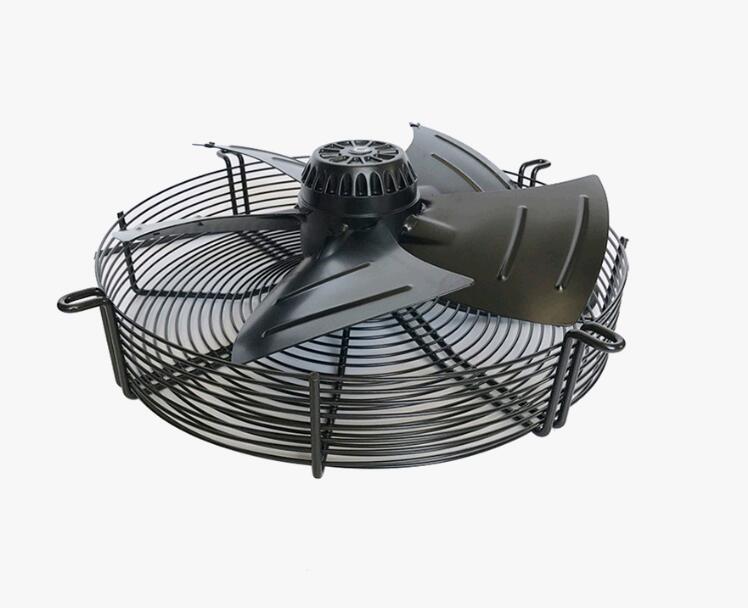
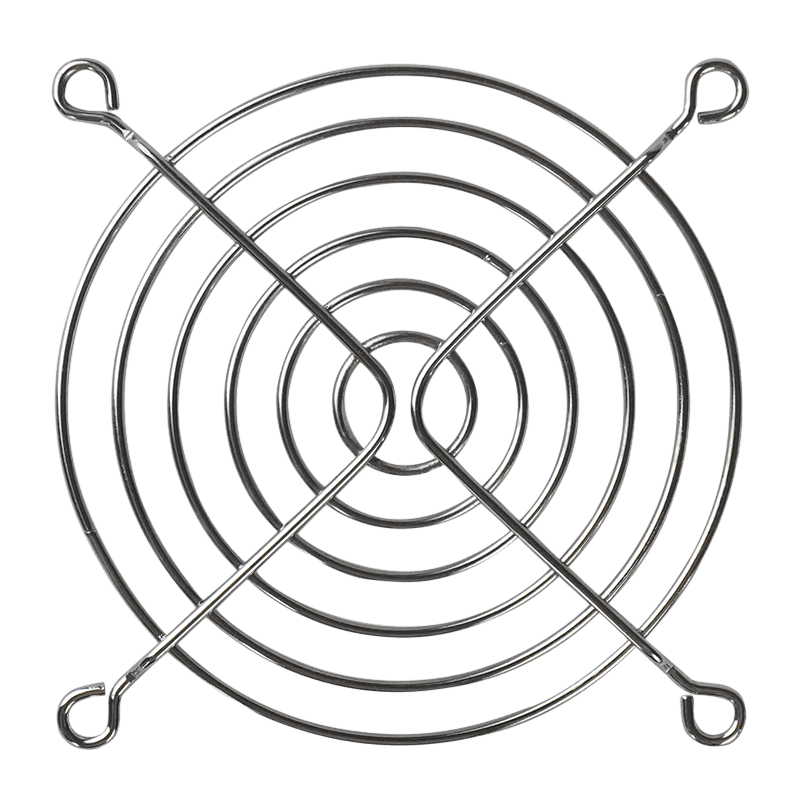
The Fan Iron Grill Guard serves as a critical accessory, prioritizing safety and func...
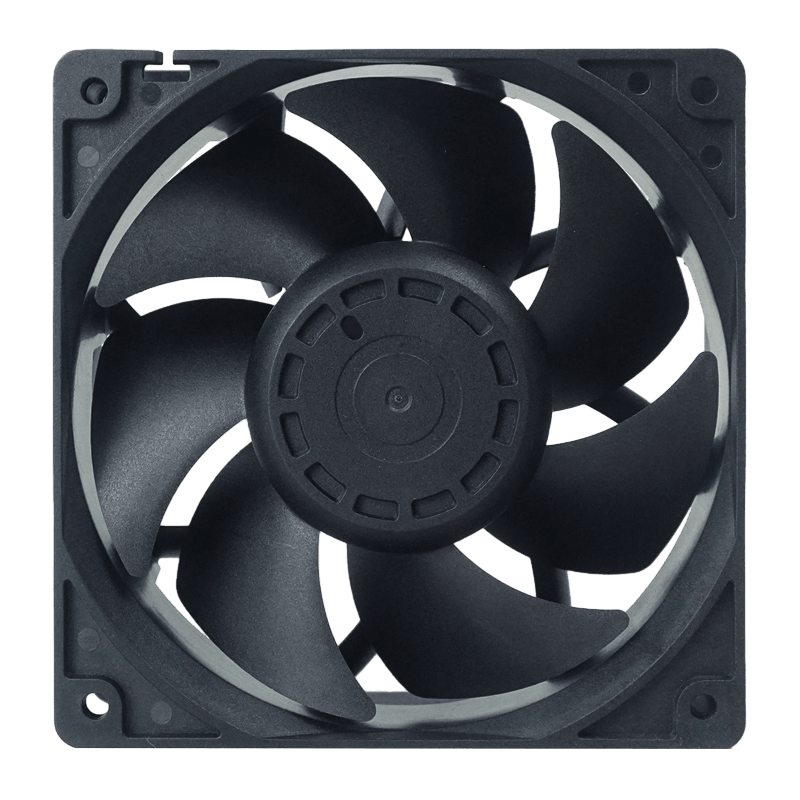
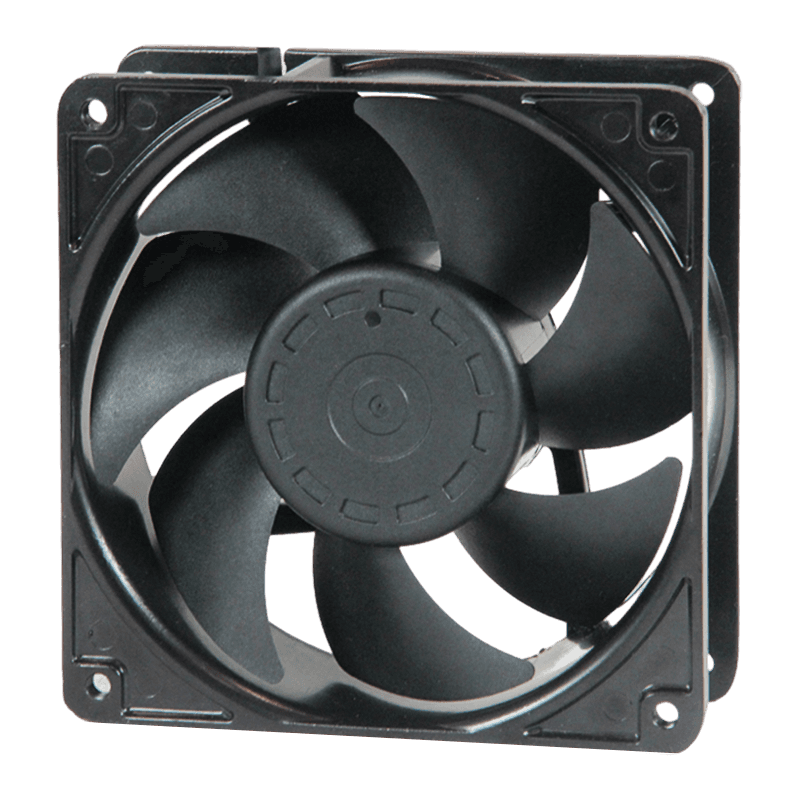
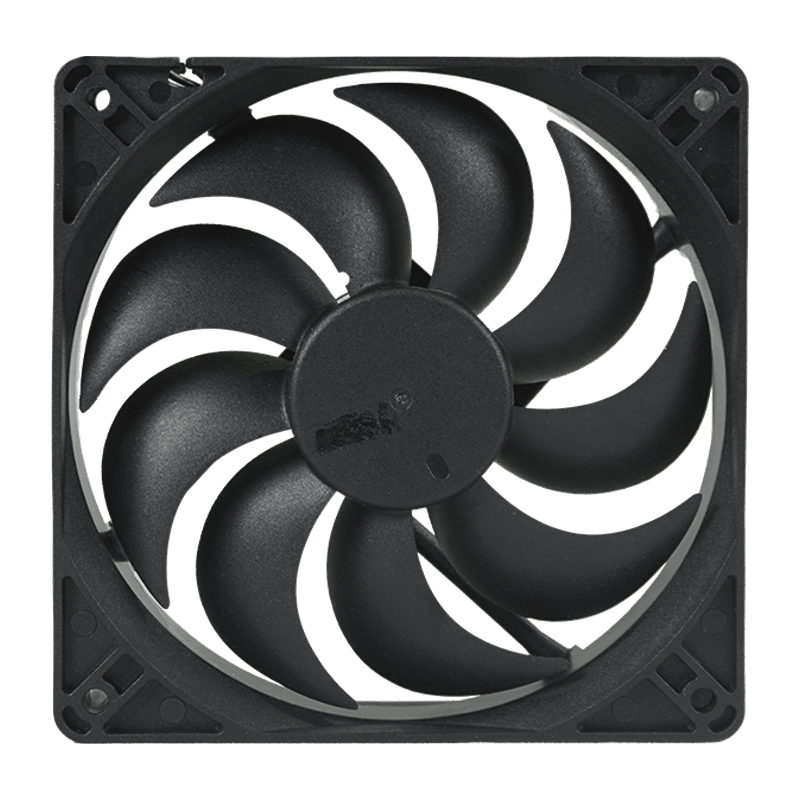
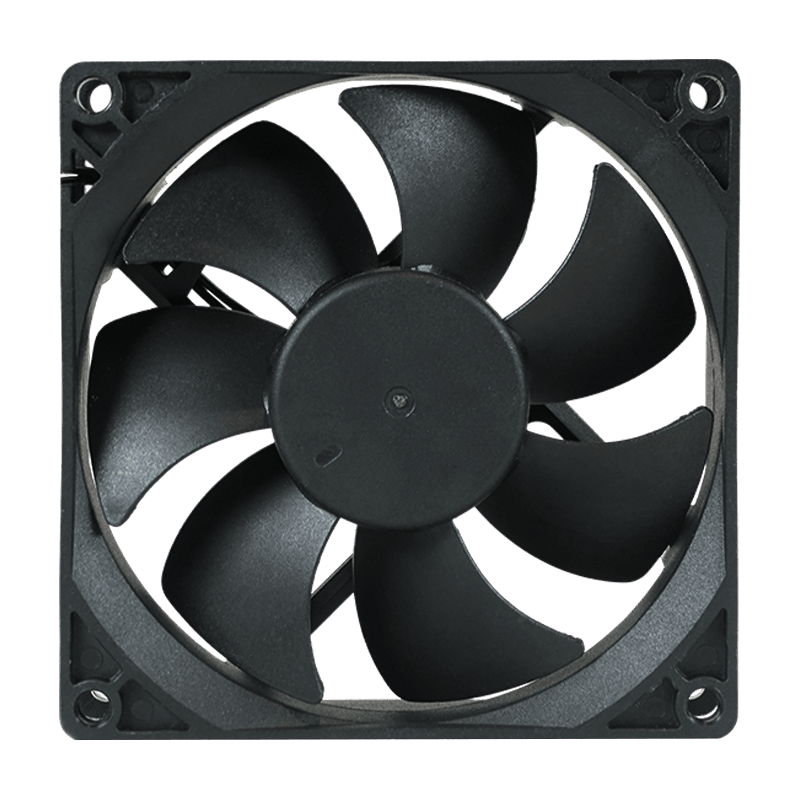
4 inch AC fans are small but practical devices used to provide air circulation, cooling, and ventilation in a variety of environments. They are commonly applied in electronics, small appliances, server racks, and confined spaces where airflow is required. Despite their simple appearance, many users have questions regarding selection, installation, performance, and maintenance. The following FAQ format addresses four common questions about 4 inch AC fans to provide a practical guide for users.
What are the typical applications of 4 inch AC fans?
4 inch AC fans are designed for situations where compact airflow is necessary. They are commonly used in electronic devices such as desktop computers, amplifiers, and networking equipment to prevent overheating and maintain stable performance. In appliances, these fans are used in small ovens, air purifiers, dehumidifiers, and ventilation units. Their size makes them suitable for confined spaces where larger fans would not fit or be practical.
In industrial settings, 4 inch AC fans are often used in control panels, instrumentation cabinets, and equipment enclosures. They help maintain consistent internal temperatures, reducing the risk of component failure. These fans can also be used in residential areas for small ventilation tasks, such as bathroom exhaust, closet ventilation, or compact HVAC units. Selecting the correct fan ensures sufficient airflow for the intended application without generating excessive noise or consuming unnecessary power.
How should 4 inch AC fans be selected for specific needs?
Selecting the right 4 inch AC fan depends on several factors, including airflow requirements, operating voltage, noise level, and physical mounting constraints. Airflow is typically measured in cubic feet per minute (CFM), which indicates the volume of air the fan moves per minute. For electronics cooling, higher CFM may be needed to maintain lower component temperatures. For small ventilation tasks, moderate airflow may suffice.
Voltage and power ratings must match the system requirements. Many 4 inch AC fans operate on 110–120V or 220–240V AC, depending on regional electrical standards. Users should also consider fan speed, often measured in revolutions per minute (RPM), as it affects both airflow and noise. In addition, physical dimensions, mounting holes, and thickness must be compatible with the device or space where the fan will be installed. Considering these factors ensures efficient operation and reduces the risk of electrical or mechanical issues.
What are the installation and operating considerations for 4 inch AC fans?
Proper installation is essential for efficient performance and long service life. Fans should be mounted securely to prevent vibration, which can cause noise and reduce efficiency. Correct orientation is important; typically, the intake side draws air in, and the exhaust side directs airflow out. Electrical connections should follow the manufacturer’s guidelines, and the fan should be installed in an environment free of excessive dust, moisture, or vibration.
Operating considerations include monitoring the fan during initial use to ensure it is delivering the expected airflow without unusual noise or vibration. Users should avoid obstructing the fan blades or housing, as this can reduce efficiency and increase wear. For applications where continuous operation is required, it may be necessary to schedule regular inspections to check for dust accumulation or mechanical wear. Proper installation and operation help ensure the fan performs reliably and supports the intended ventilation or cooling tasks.
How should 4 inch AC fans be maintained and serviced?
Maintenance of 4 inch AC fans is generally straightforward but important for longevity and performance. Regular cleaning is recommended to remove dust, dirt, and other debris from the blades, housing, and vents. Accumulated dust can reduce airflow, increase noise, and put additional stress on the motor. Cleaning should be done with compressed air or a soft brush while the fan is powered off.
Lubrication may be required for certain fan models that use sleeve bearings or other movable parts. Users should follow the manufacturer’s recommendations for applying light machine oil or other suitable lubricants. Electrical connections should be checked periodically to ensure they remain secure and free from corrosion. If the fan shows signs of reduced airflow, unusual vibration, or noise, it may need servicing or replacement. Following these maintenance practices helps extend the fan’s operational life and maintains reliable performance in the intended application.


 Juanqiao Industrial Zone, Jinqing Town, Luqiao District, Taizhou City, Zhejiang Province, China.
 +86 - 18005764580
 [email protected]
© 2023 Zhejiang Meixing Mechanical and Electrical Co., Ltd. All rights reserved.
