
 English
 中文简体
中文简体 عربى
عربىFan Iron Cover
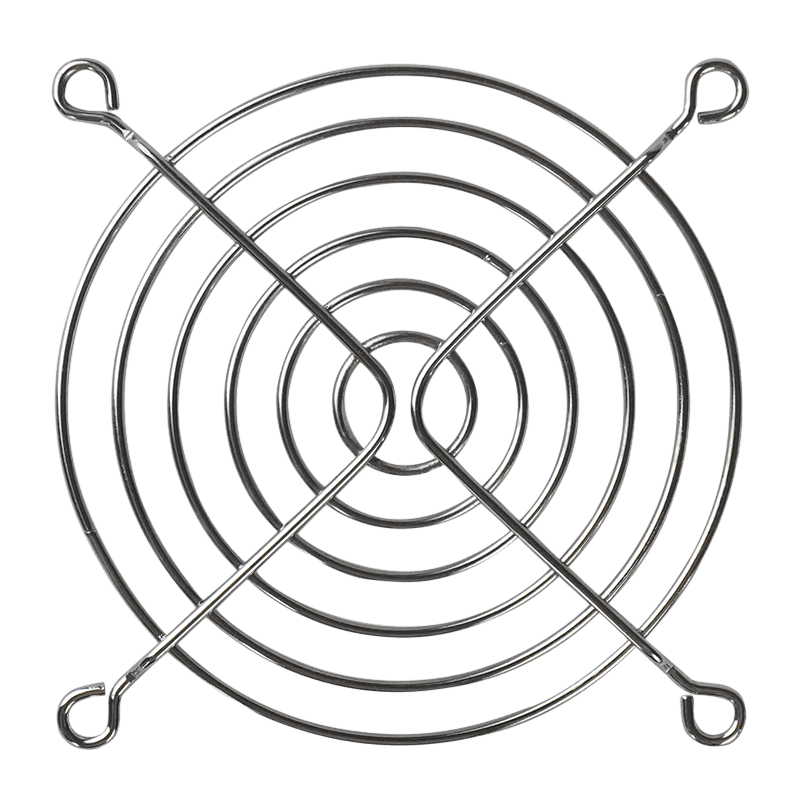
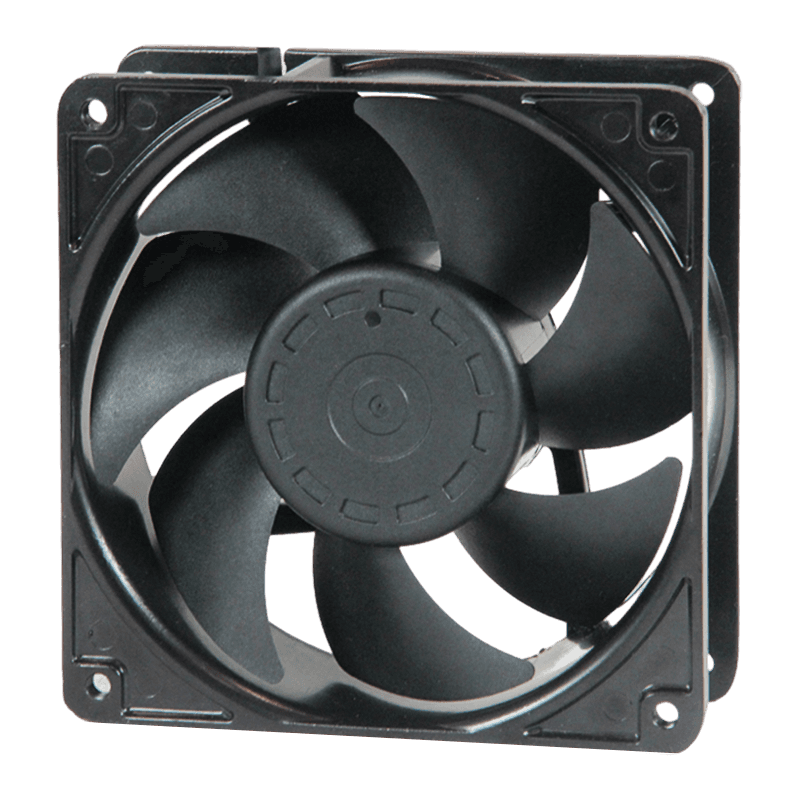
The Fan Iron Grill Guard serves as a critical accessory, prioritizing safety and func...
Early Appearance and Introduction
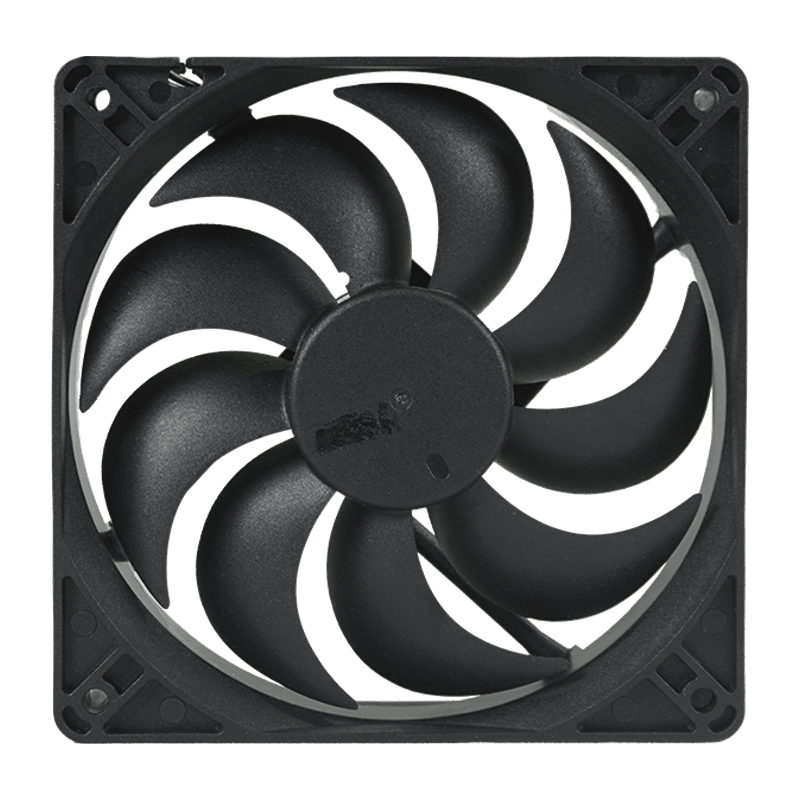
Axial flow fans, including the 200FZY Axial Flow Fans, were developed in the mid-20th century to meet the demand for efficient industrial ventilation. Early models were relatively simple, with metal blades and basic motor systems, providing airflow primarily for general ventilation purposes.
The 200FZY series appeared as a standardized model to serve medium-scale industrial applications. Its design focused on balance between airflow rate, power consumption, and structural stability. Initial models were designed for fixed installations in factories, workshops, and other facilities where consistent airflow was necessary to remove dust, fumes, or heat. These early fans established the basic structure and performance characteristics that continue to influence the series today.
Technological Improvements in Fan Design
Over time, the 200FZY axial flow fans underwent several technological improvements. Blade design was refined to improve efficiency and reduce noise, using aerodynamic profiles to enhance airflow while turbulence. Motor systems were upgraded to allow variable speed operation, providing flexibility in controlling airflow according to the environment.
Improvements also included enhanced bearings and shaft support systems to reduce wear and extend operational life. In addition, fans were designed to accommodate higher temperatures and resist mechanical stress, making them suitable for more demanding industrial environments. These technological advancements ensured that the 200FZY series could provide stable airflow with reduced energy consumption and maintenance requirements.
Material Development and Durability
Material selection played an important role in the development of 200FZY axial flow fans. Early models used standard steel for blades and housings, which offered adequate strength but limited resistance to corrosion or chemical exposure. Over time, manufacturers introduced corrosion-resistant steels, aluminum alloys, and coatings to protect blades and casings from rust, chemicals, or environmental exposure.
The use of durable materials improved the reliability and lifespan of the fans, particularly in industrial settings where exposure to moisture, dust, or corrosive gases is common. Bearings, shafts, and fasteners were also upgraded to high-quality metals or treated alloys, ensuring that the fan could operate continuously without frequent maintenance. Material improvements were essential for extending operational life and ensuring consistent performance in challenging environments.
Expanded Applications and Modern Use
With advancements in design and materials, the applications of 200FZY axial flow fans expanded. They are now used in factories, tunnels, warehouses, and commercial buildings for ventilation, cooling, and exhaust purposes. Some models are applied in HVAC systems to support air circulation and temperature control in office or industrial spaces.
Modern 200FZY fans may also incorporate variable frequency drives for precise airflow control and energy efficiency. Protective features such as waterproof casings, vibration reduction mounts, and noise-damping systems allow use in a variety of environments. The adaptability and reliability of these fans make them suitable for both fixed installations and portable setups, responding to different operational needs in contemporary industry.
The 200FZY axial flow fan appeared in the mid-20th century to provide efficient airflow for medium-scale industrial applications. Technological improvements in blade design, motor systems, and structural components enhanced efficiency, noise reduction, and operational stability. Material development, including corrosion-resistant metals and durable coatings, increased the lifespan and reliability of the fans in demanding environments. Finally, the expansion of applications into factories, tunnels, commercial buildings, and HVAC systems demonstrates the adaptability and continued relevance of the 200FZY series. Understanding the history and development of these fans provides insight into how engineering, materials, and design improvements have shaped modern ventilation solutions.


 Juanqiao Industrial Zone, Jinqing Town, Luqiao District, Taizhou City, Zhejiang Province, China.
 +86 - 18005764580
 [email protected]
© 2023 Zhejiang Meixing Mechanical and Electrical Co., Ltd. All rights reserved.
