
 English
 中文简体
中文简体 عربى
عربىFan Iron Cover
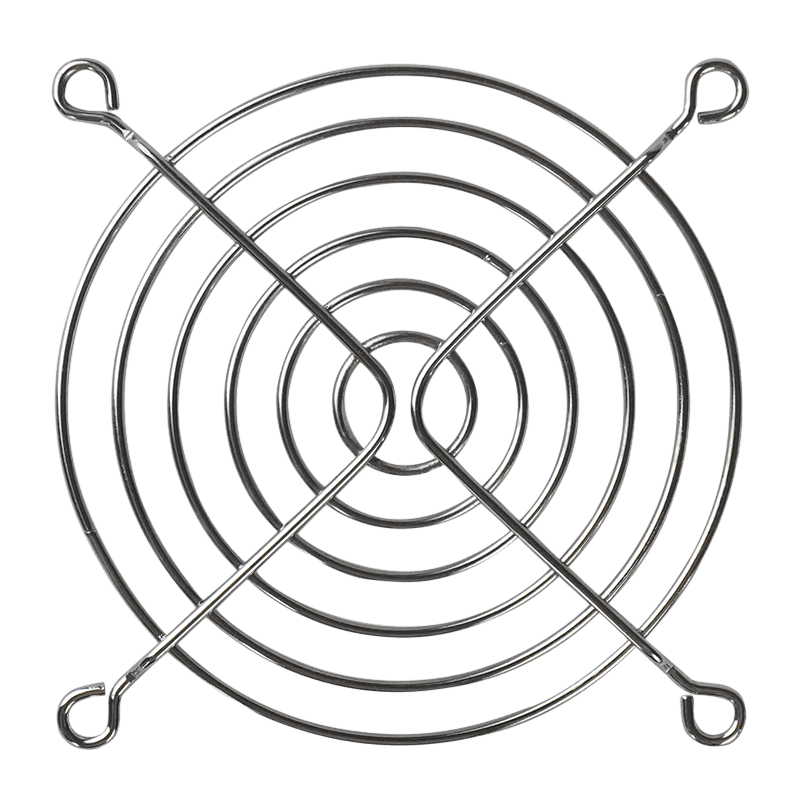
The Fan Iron Grill Guard serves as a critical accessory, prioritizing safety and func...
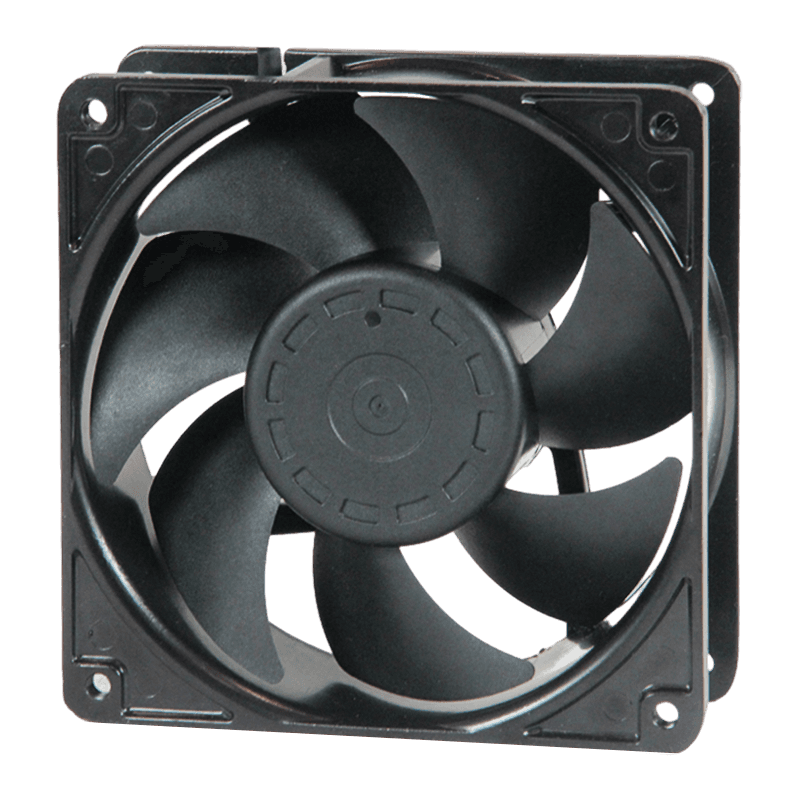
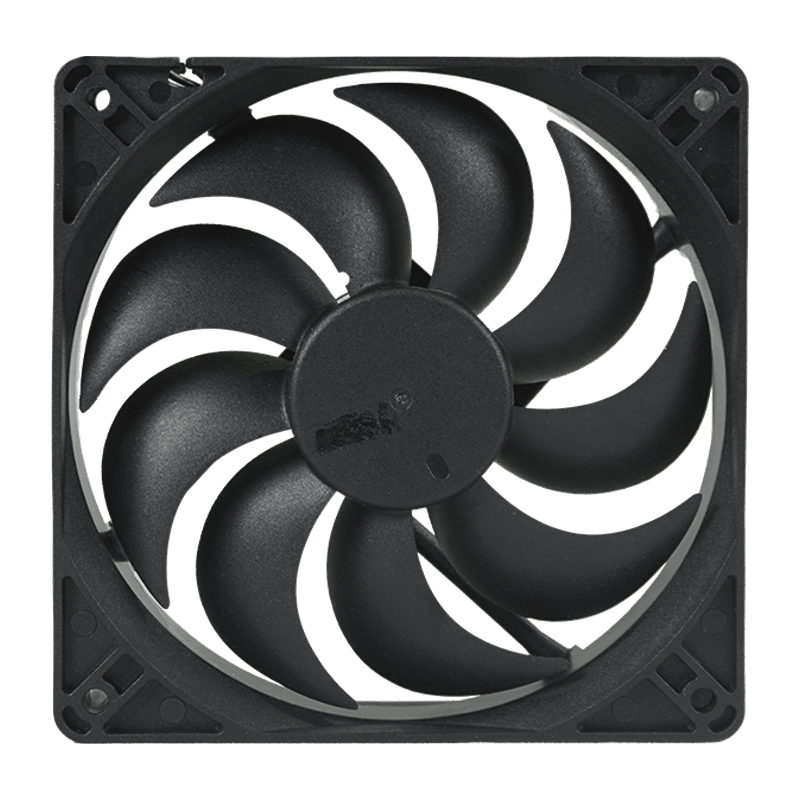
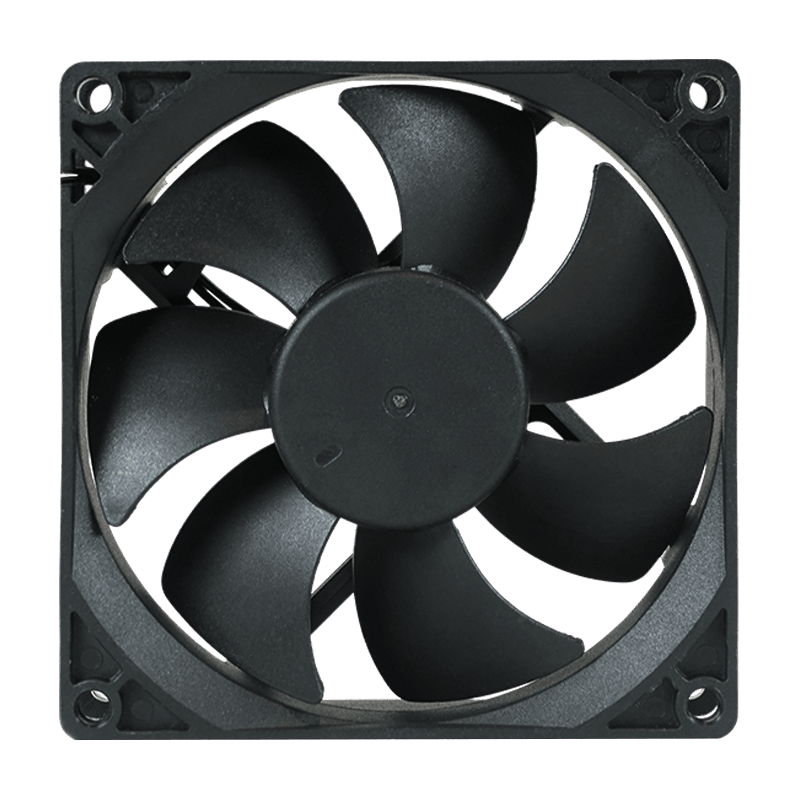
4 inch AC fans are compact electric fans widely used for ventilation, cooling, and air circulation in residential, commercial, and industrial applications. Their small size, versatility, and relatively low energy consumption have contributed to their steady presence in the market. Understanding their applications, advantages, and market factors provides insight into why these fans are commonly adopted by both consumers and manufacturers.
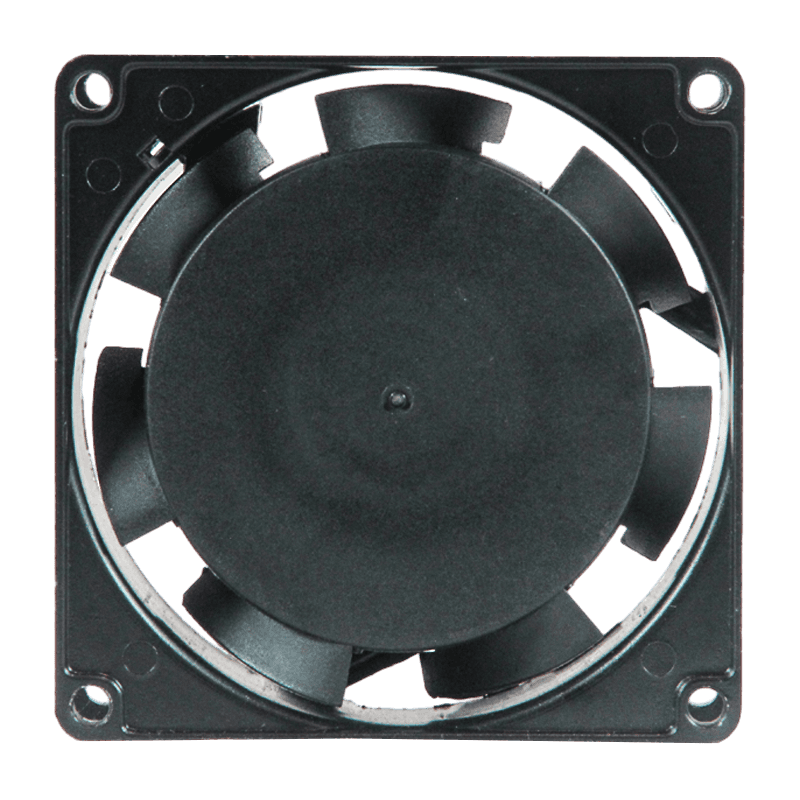
4 inch AC fans are designed for situations that require small-scale air movement or targeted ventilation. Common applications include:
Electronics cooling
Cooling small appliances, computer components, or networking equipment
Preventing overheating in enclosures or control panels
Residential and commercial ventilation
Air circulation in bathrooms, kitchens, or small rooms
Venting cabinets or small utility areas
Industrial and laboratory use
Maintaining airflow in small machines or laboratory instruments
Supporting localized cooling for sensitive equipment
Their compact form factor allows them to be installed in areas where larger fans would be impractical. Additionally, their adaptability to different mounting positions makes them suitable for both wall-mounted and enclosure-integrated installations.
Features Contributing to Market Popularity
Several practical features make 4 inch AC fans common in both consumer and professional settings:
Compact size
Easy to fit in small spaces or confined enclosures
Lightweight and simple to handle during installation
Low energy consumption
Small motors draw less electricity, making them cost-effective for continuous operation
Compatible with standard AC voltages in regions
Noise considerations
Generally operate at lower noise levels compared to larger fans
Suitable for office, laboratory, and residential environments
Versatile mounting options
Can be attached to walls, panels, ducts, or equipment enclosures
Compatible with both horizontal and vertical airflow configurations
These features make 4 inch AC fans practical for environments requiring consistent airflow without significant installation space or power requirements.
Material and Design Factors
The design and material selection of 4 inch AC fans also influence their market acceptance:
Fan blades
Usually made from lightweight plastic or metal
Blade shape optimized for airflow efficiency within small dimensions
Motor housing
Durable plastic or metal casings protect the motor and electrical components
Heat-resistant materials are often used for high-temperature applications
Electrical components
Single-phase AC motors with varying RPM to match ventilation requirements
Some models include capacitor-assisted starting for improved performance
Safety features
Protective grills to prevent contact with moving blades
Insulated wiring and mounting brackets for electrical safety
These design elements ensure the fan is reliable, safe, and suited to its intended environment.
Market Factors Driving Popularity
The market for 4 inch AC fans is supported by a combination of industrial demand, residential adoption, and global supply availability:
Cost-effectiveness
Lower production and shipping costs due to compact size
Affordable retail price for consumers and businesses
Global availability
Widely manufactured in multiple countries with standardized designs
Easy to source for replacement or integration into larger systems
Regulatory compliance
Fans typically meet electrical safety standards in major markets
Designed to comply with energy efficiency or noise regulations
Adaptability for DIY and industrial use
Suitable for home ventilation upgrades, electronics cooling, or machine maintenance
Simple installation and compatibility with various electrical systems
These factors collectively support ongoing demand and steady adoption in diverse sectors.
Consumer Considerations
When purchasing 4 inch AC fans, consumers and businesses often evaluate:
Airflow rating: Measured in cubic feet per minute (CFM), indicating cooling or ventilation efficiency
Noise level: Important for indoor or office use
Durability and material quality: Determines service life and resistance to wear
Installation options: Wall, panel, or duct-mounted configurations
Clear specification standards help buyers select fans that meet both functional and environmental requirements.


 Juanqiao Industrial Zone, Jinqing Town, Luqiao District, Taizhou City, Zhejiang Province, China.
 +86 - 18005764580
 [email protected]
© 2023 Zhejiang Meixing Mechanical and Electrical Co., Ltd. All rights reserved.
