
 English
 中文简体
中文简体 عربى
عربىFan Iron Cover
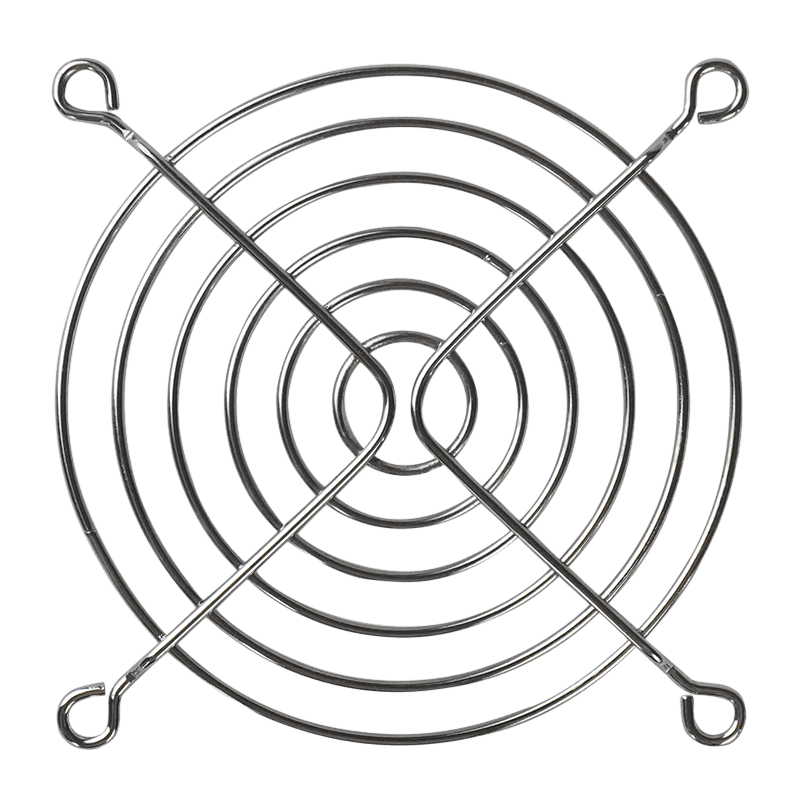
The Fan Iron Grill Guard serves as a critical accessory, prioritizing safety and func...
Size and Form Factor
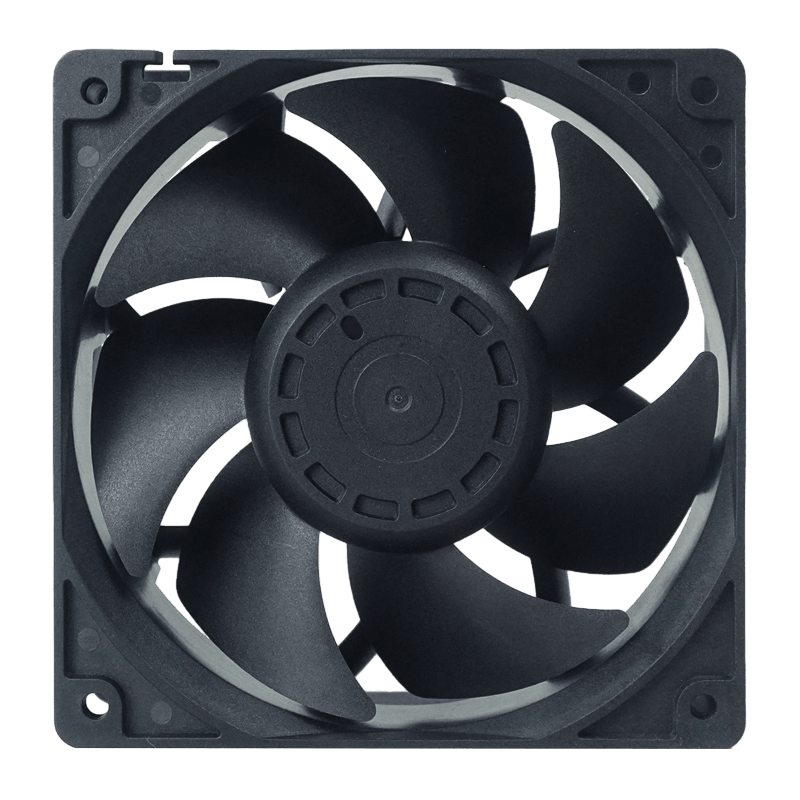
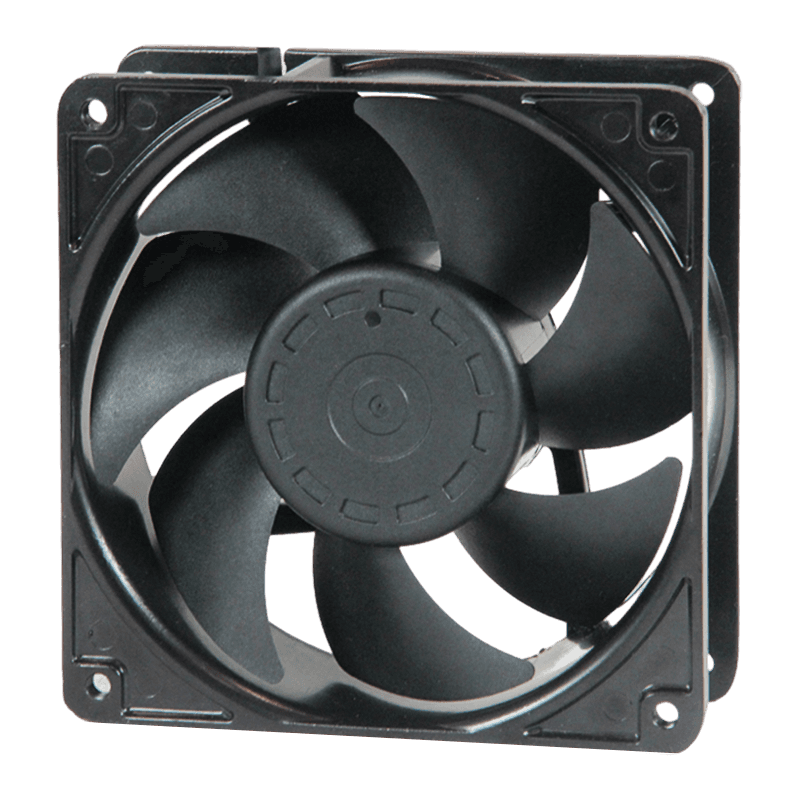
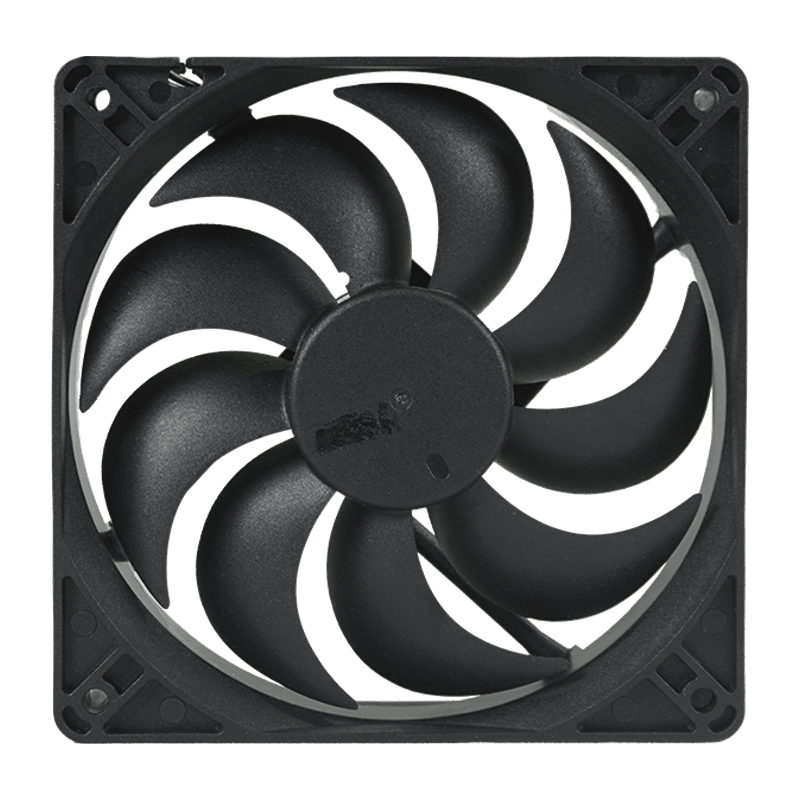
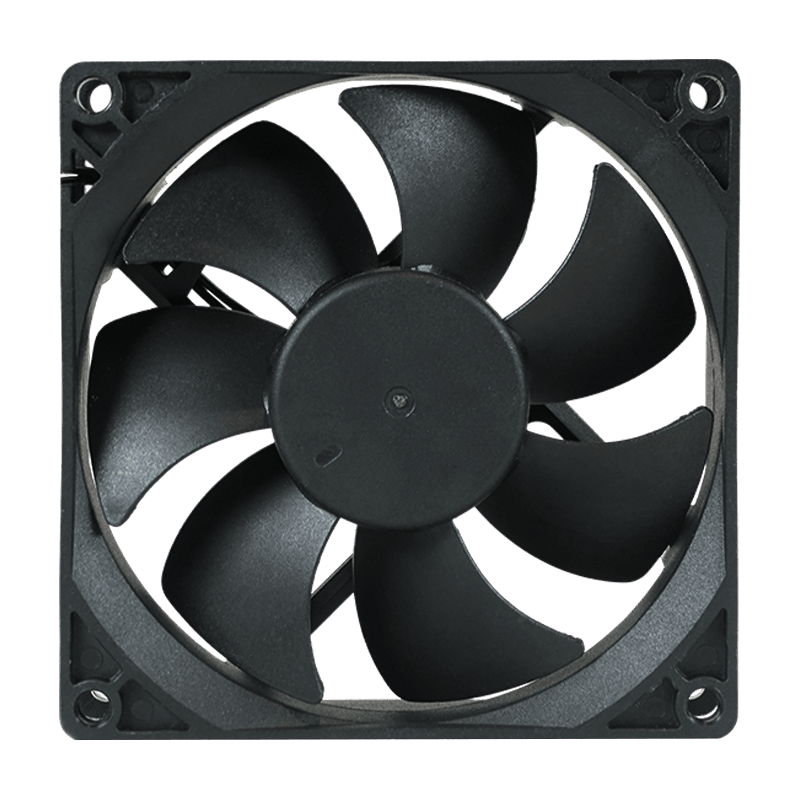
The obvious difference between 12038 fans and others is their size. The 12038 fan is relatively larger compared to many smaller fan types, such as 8025 or 9225 fans. The set of numbers refers to the fan's width and height in millimeters (120mm x 120mm), while the third number refers to the depth (38mm) in the case of 12038 fans. This size allows for higher airflow and greater cooling efficiency, making 12038 fans suitable for applications that require robust cooling.
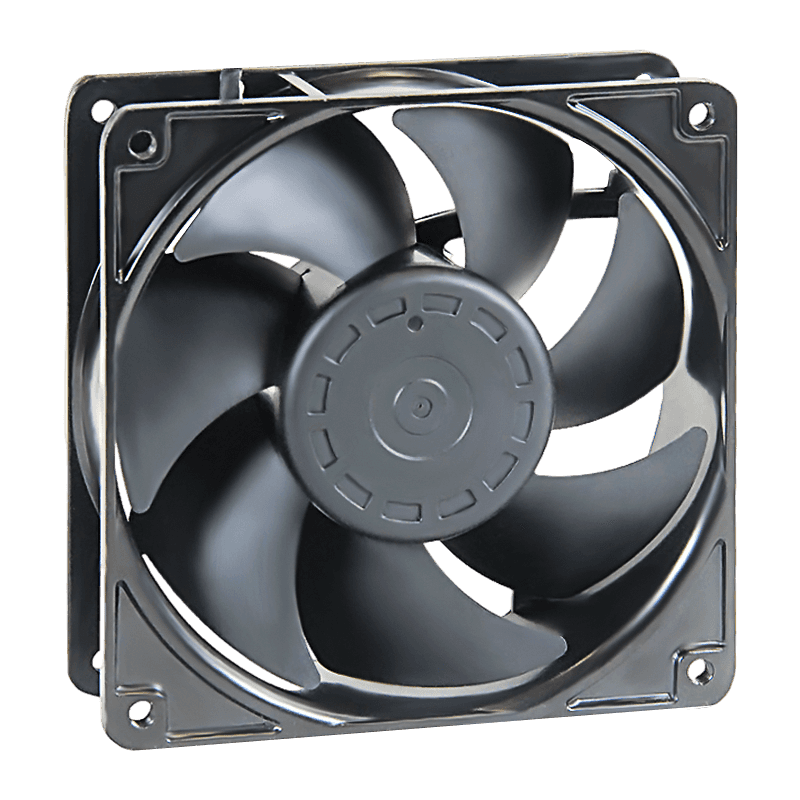
Smaller fans, such as 8025 fans (80mm x 80mm), are designed for more compact spaces but often sacrifice airflow and cooling capacity to maintain their smaller form factor. Larger fans, like 1725 or 180mm fans, typically provide more cooling power but can take up more space, which is not always ideal for systems with limited room. The 12038 fan strikes a balance between size and performance, offering substantial cooling power in a manageable size.
Airflow and Cooling Capacity
The airflow produced by a fan is directly related to its size and design. A 12038 fan typically offers higher airflow than smaller fan types like the 8025 or 9225 fans. This increased airflow makes it more effective in cooling high-performance systems, such as servers, power supplies, or automotive applications where maintaining consistent temperatures is critical. The larger size of the 12038 fan enables it to push a greater volume of air, improving its cooling capacity.
However, larger fans are not always the choice for every application. While 12038 fans may provide greater airflow, their larger size means they may not be as well suited for applications with strict size or space limitations. Smaller fans, such as the 8025, offer a more compact solution but at the expense of reduced airflow. Therefore, selecting the right fan size is a balance between the cooling power required and the available space in the system.
Noise Levels and Efficiency
Another difference between 12038 fans and other types lies in their noise levels and efficiency. Because 12038 fans are larger, they tend to operate at lower speeds compared to smaller fans to achieve the same airflow. Running at lower speeds means they produce less noise, making them suitable for noise-sensitive environments. Additionally, 12038 fans typically offer better efficiency, as larger fans require less power to move the same volume of air compared to smaller fans running at higher speeds.
However, this is not always the case, as other factors such as the quality of the motor and fan blade design also influence noise and efficiency. Some high-quality smaller fans, such as the 9225 or 8025, are designed with quieter motors and advanced fan blade technology that allows them to operate efficiently and quietly despite their smaller size.
12038 Fans: Key Features and Performance
High Airflow and Cooling Performance
12038 fans are particularly known for their high airflow capabilities, making them ideal for cooling systems that need to dissipate heat quickly. These fans are often used in applications where higher cooling capacity is required, such as power supplies, computer processors, or large server systems. Their larger size allows for greater air volume to be moved, which is critical for high-performance systems that generate significant amounts of heat.
Typically, a 12038 fan can provide airflow ratings anywhere from 50 to 100 cubic feet per minute (CFM) or even higher, depending on the specific fan model. This makes them effective in keeping components cool, reducing the risk of overheating, and ensuring performance. The higher airflow is particularly beneficial in systems that operate under heavy load for extended periods.
Versatility in Applications
12038 fans are versatile and can be used in a wide range of applications due to their balanced size and cooling power. In the automotive industry, for example, these fans are used to cool radiators, engines, and HVAC systems. Their ability to deliver substantial airflow makes them ideal for automotive systems where maintaining proper temperature levels is crucial for performance.
In electronics and computer systems, 12038 fans are commonly used in high-performance servers, desktop computers, and gaming systems to prevent overheating of key components such as processors and graphic cards. They are also used in industrial machinery, where cooling is essential to prevent damage to sensitive equipment. The flexibility of the 12038 fan makes it a popular choice across various industries that require efficient and effective cooling solutions.
Low Noise and Durability
Despite their larger size, 12038 fans often operate at lower speeds compared to smaller fans, which helps reduce their noise levels. This makes them a suitable choice for noise-sensitive environments, such as home offices, studios, or servers that need to maintain a quiet atmosphere. The quieter operation also makes them ideal for high-performance systems where noise reduction is a priority.
Moreover, the design and durability of 12038 fans are generally to smaller fans, with many models featuring high-quality bearings, efficient motors, and durable fan blades. This means they can run for long periods without significant wear, contributing to their longevity and reliability. The robust design ensures that the fan can handle extended usage without compromising on cooling performance or noise levels.
12038 Fans: Efficiency and Size Benefits
Efficient Power Consumption
12038 fans are also known for their efficient use of power. Their larger size allows them to deliver greater airflow with less energy consumption compared to smaller fans that require higher speeds to achieve similar airflow. This can be especially beneficial in systems that operate 24/7, as it helps reduce overall energy costs.
In industries where energy consumption is a concern, such as data centers or large-scale manufacturing facilities, the power-efficient operation of 12038 fans can contribute to significant cost savings over time. Additionally, their efficient performance helps reduce the carbon footprint of cooling systems, making them a more environmentally friendly option.


 Juanqiao Industrial Zone, Jinqing Town, Luqiao District, Taizhou City, Zhejiang Province, China.
 +86 - 18005764580
 [email protected]
© 2023 Zhejiang Meixing Mechanical and Electrical Co., Ltd. All rights reserved.
