
 English
 中文简体
中文简体 عربى
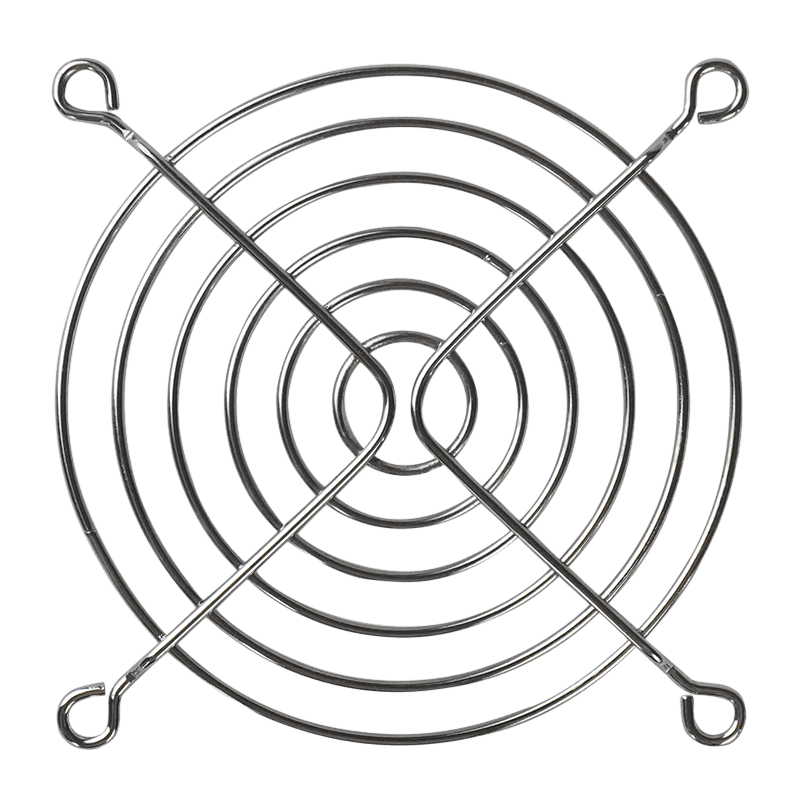
عربىFan Iron Cover
The Fan Iron Grill Guard serves as a critical accessory, prioritizing safety and func...
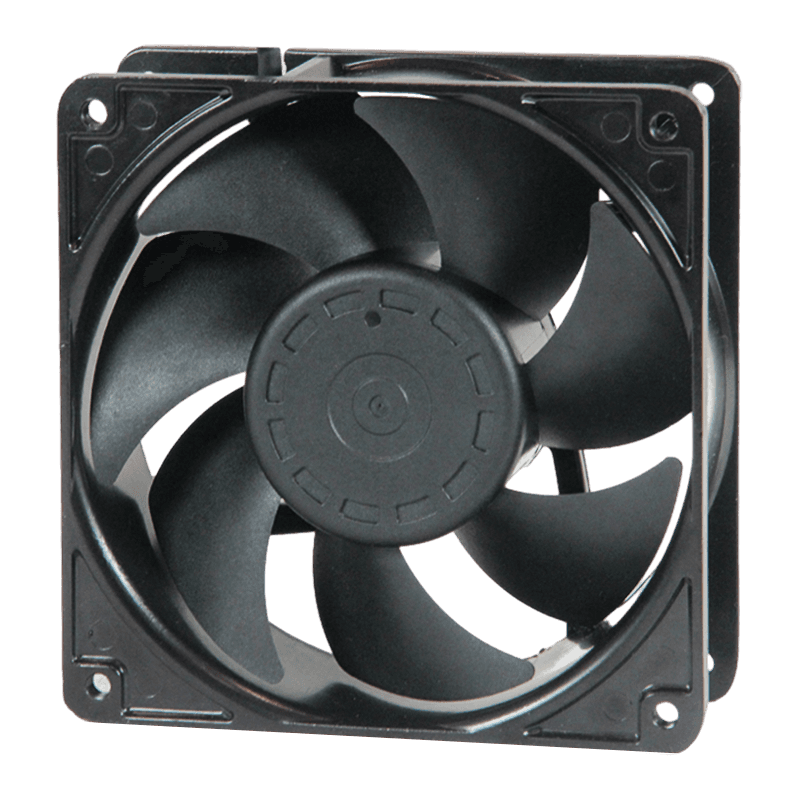
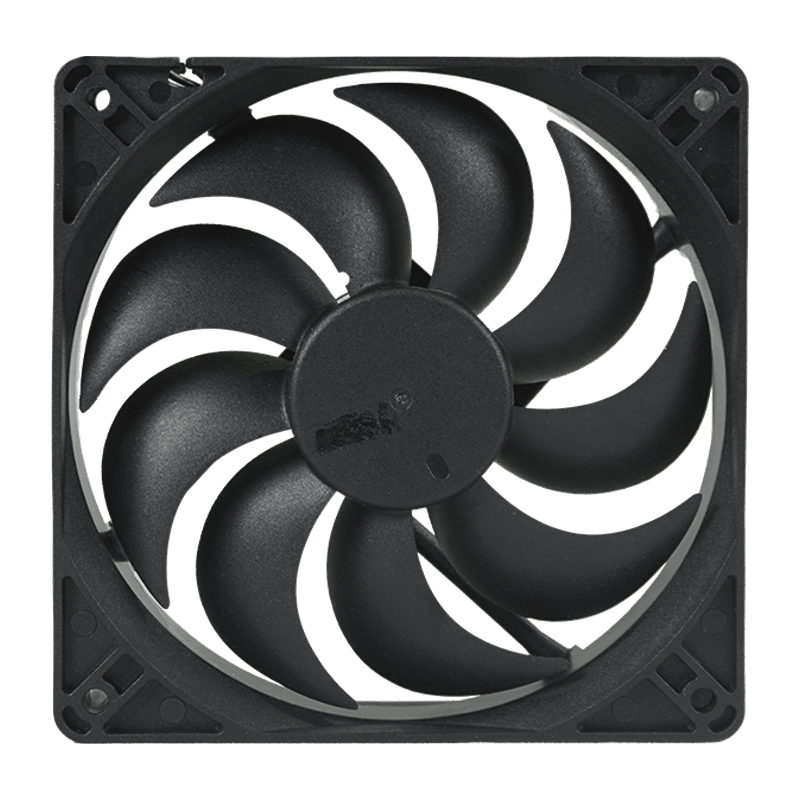
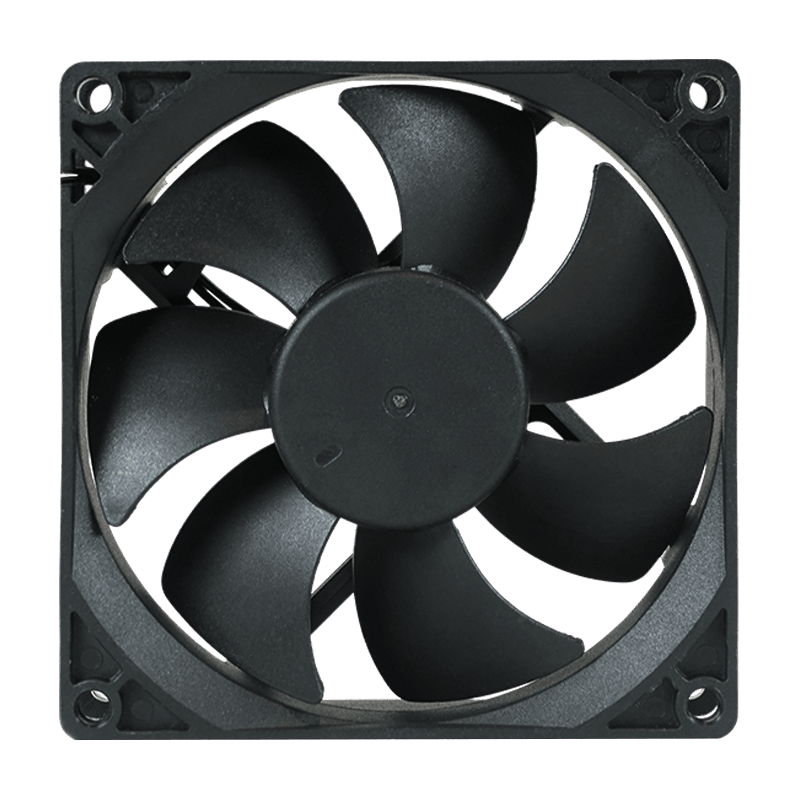
AC axial flow fans are among the ubiquitous yet overlooked devices in modern life. Found in everything from computer equipment and household appliances to industrial ventilation systems and HVAC units, these fans move air parallel to the fan's axis of rotation. Despite their simple appearance, they are engineered products requiring careful material selection to balance performance, durability, cost, and noise characteristics. The materials chosen for fan blades, housings, motors, and protective grilles directly affect airflow efficiency, operational lifespan, resistance to environmental conditions, and overall reliability.
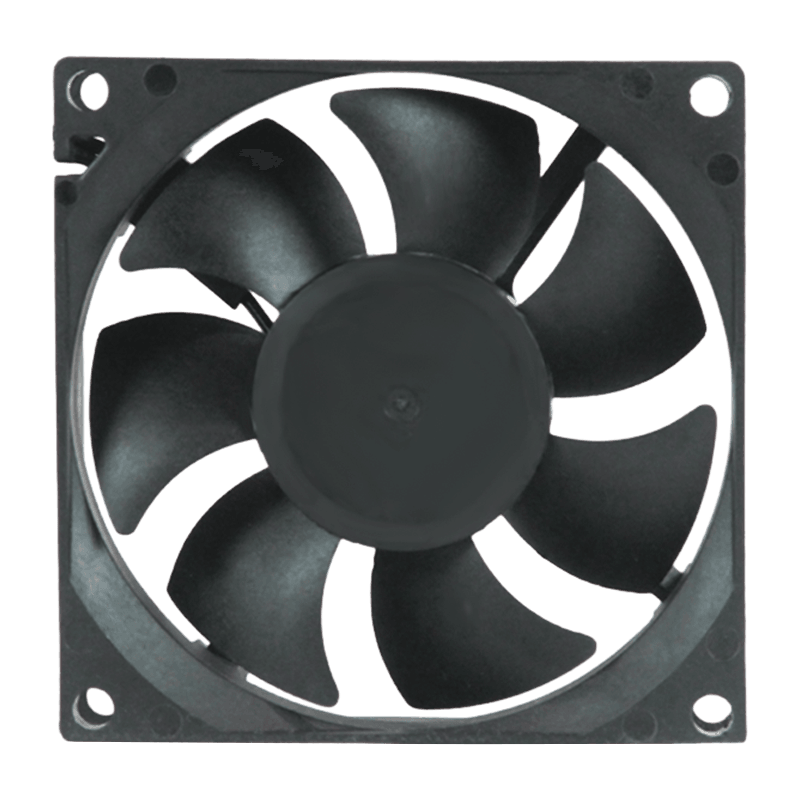
Fan Blades: The Aerodynamic Interface
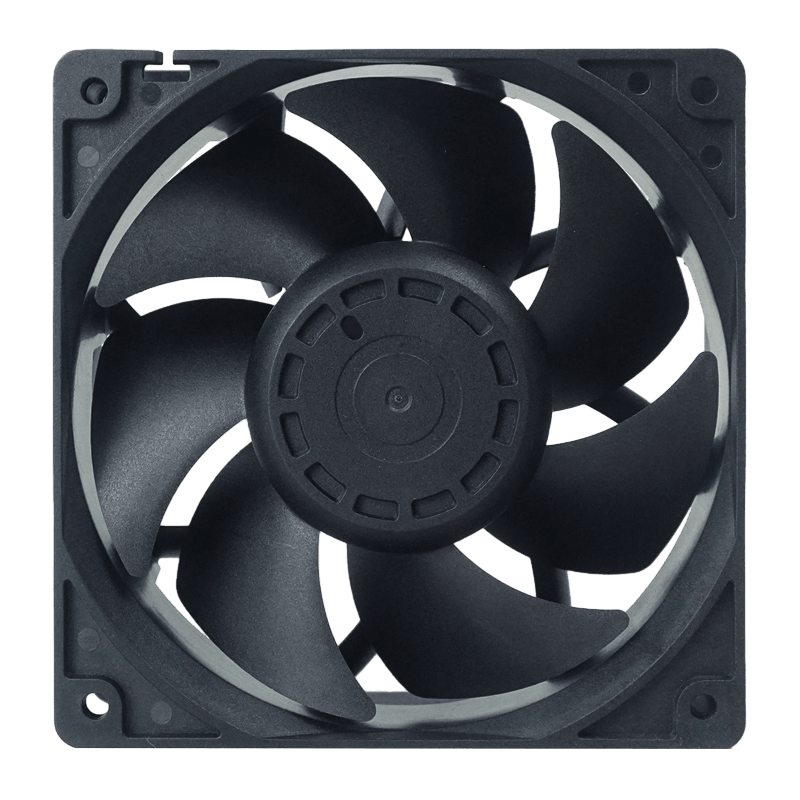
The blades are the visible components of an axial fan and the primary determinants of airflow performance. Material selection for blades involves trade-offs between weight, strength, dimensional stability, and cost.
Engineered Polymers: The vast majority of AC axial fans produced today utilize injection-molded plastic blades. This dominance reflects the favorable combination of properties offered by modern polymers.
Glass-Filled Polypropylene (PP): This is one of the common materials for fan blades in general-purpose applications. The addition of glass fibers (typically 10-30 percent) significantly increases stiffness and reduces creep (gradual deformation under load) compared to unfilled polypropylene. It offers good chemical resistance and is suitable for temperatures up to approximately 80-90°C.
Glass-Filled Nylon (PA6 or PA66): For applications requiring higher temperature resistance or greater mechanical strength, glass-filled nylon is frequently specified. It can withstand continuous operating temperatures of 100-120°C and offers fatigue resistance. Nylon absorbs some moisture from the air, which can affect dimensional stability and balance, but this is accounted for in the design phase.
Polycarbonate (PC): Polycarbonate offers high impact resistance and good dimensional stability. It is often used where blades might be subject to accidental contact or where transparency is desired for aesthetic reasons. However, polycarbonate can be susceptible to stress cracking when exposed to certain chemicals.
Polyphenylene Sulfide (PPS): For high-temperature applications, such as in industrial ovens or HVAC equipment handling heated air, PPS is used. It can withstand continuous temperatures of 200°C or higher and offers chemical resistance. It is more expensive than nylon or polypropylene.
Aluminum Alloys: Metal blades are specified for certain applications where plastics cannot meet the requirements.
Sheet metal aluminum blades: Formed from thin aluminum sheet, these blades are common in larger industrial fans and some HVAC applications. Aluminum offers high strength-to-weight ratio and good corrosion resistance, particularly when anodized or coated.
Die-cast aluminum blades: For complex blade shapes requiring precise aerodynamics, die-casting may be used. This process produces consistent, balanced blades but at higher cost than stamped or plastic blades.
Aluminum blades can handle higher temperatures than plastics and are often used in exhaust applications where heat or chemical exposure would degrade polymer blades.
Steel Blades: In heavy-duty industrial applications or where durability is required, steel blades may be used.
Steel offers the higher strength and impact resistance but adds significant weight, requiring more robust motors and bearings.
Steel blades are typically coated or painted to prevent rust, as untreated steel will corrode when exposed to moisture.
Magnesium Alloys: In premium applications where weight savings are critical, magnesium alloys occasionally appear. Magnesium offers an strength-to-weight ratio but is more expensive and requires careful handling during manufacturing due to its flammability as a fine dust.
Fan Housings and Shrouds: Structural Support and Airflow Management
The housing or shroud surrounds the blades, directing airflow and providing structural integrity. It also mounts the motor and protects internal components.
Sheet Steel: For many industrial and commercial axial fans, housings are fabricated from formed sheet steel.
Steel offers high strength and rigidity, allowing the housing to support the motor and withstand installation stresses.
Housings are typically finished with a powder coating for corrosion resistance and appearance. Powder coating provides a durable, uniform finish that resists chipping and fading.
For applications requiring enhanced corrosion resistance, such as in coastal or chemical environments, stainless steel housings (grades 304 or 316) may be specified. Stainless steel is more expensive but eliminates the need for coating and offers long-term durability in harsh conditions.
Aluminum: Aluminum housings are common in applications where weight reduction is important or where the fan will be exposed to moisture.
Aluminum does not rust, though it can corrode in certain conditions if not properly treated. Anodizing creates a hard, protective oxide layer that enhances corrosion resistance.
Aluminum conducts heat away from the motor effectively, which can improve motor life in some applications.
Cast aluminum housings allow complex shapes with integrated mounting features, reducing assembly costs.
Engineering Plastics: Many smaller axial fans, particularly those used in electronics cooling and appliances, use molded plastic housings.
ABS (Acrylonitrile Butadiene Styrene) is common for general-purpose applications where temperature and chemical exposure are moderate.
Glass-filled nylon or polycarbonate provides enhanced strength and temperature resistance.
Plastic housings are lightweight, non-corrosive, and can be molded with complex features such as snap-fit mounting tabs, reducing assembly costs.
They also provide electrical insulation, which can be a safety advantage in some applications.
Composite Materials: In specialized applications, such as marine or highly corrosive environments, fiber-reinforced composites (fiberglass) may be used for housings. These materials offer corrosion resistance and strength but are more expensive and typically used only where metal or plastic options are unsuitable.
Motors and Electrical Components: The Driving Force
The AC motor is the heart of the fan, converting electrical energy into rotational motion. The materials used in motor construction directly affect efficiency, reliability, and lifespan.
Lamination Steel: The stator and rotor cores are constructed from stacked laminations of electrical steel, also known as silicon steel.
These thin sheets (typically 0.5 to 1.0 mm thick) are coated with an insulating layer and stacked to form the core. The laminations reduce eddy current losses, improving motor efficiency.
The steel composition includes silicon (typically 1-3 percent), which increases electrical resistivity and reduces hysteresis losses.
Copper Magnet Wire: The windings that create the magnetic field are universally copper wire with a thin insulating enamel coating.
Copper offers the combination of electrical conductivity, cost, and workability for motor windings.
The enamel insulation must withstand the operating temperature of the motor, which varies by application. Insulation classes (such as Class B, F, or H) indicate the continuous temperature the wire can withstand.
In some very cost-sensitive applications, aluminum wire may be used, but aluminum has lower conductivity and requires larger wire cross-sections for the same current capacity.
Insulation Materials: The motor contains various insulation components to separate conductive parts electrically.
Slot liners (typically made from Nomex, Mylar, or other engineered papers) insulate the windings from the stator core.
Insulation varnish or resin is applied to the completed windings (a process called impregnation) to fill air gaps, protect against moisture and contaminants, and improve heat transfer.
Encapsulation: In some motors designed for harsh environments, the entire stator assembly may be encapsulated in an epoxy or polyester resin, creating a sealed unit impervious to moisture and chemicals.
Bearings: Bearings support the rotor and allow it to spin freely. Bearing material selection is critical for fan life and noise.
Sleeve bearings: These are simple, low-cost bearings where a rotating shaft runs inside a bronze or steel tube, often impregnated with oil. They are common in low-cost, light-duty fans but have limited life compared to ball bearings.
Ball bearings: These use steel balls running in hardened steel races. They offer longer life and better performance at temperatures or mounting orientations but are more expensive and can be slightly noisier than sleeve bearings at low speeds.
Ceramic bearings: In specialized high-temperature or high-speed applications, ceramic bearings may be used. They offer wear resistance and can operate without lubrication but are significantly more expensive.
Protective Grilles, Mounting Hardware, and Finishes
The complete fan assembly includes several additional components, each requiring appropriate material selection.
Guard Grilles: The protective grilles covering the inlet and outlet of the fan must prevent accidental contact with moving blades while minimizing airflow restriction.
Steel wire: Many grilles are formed from steel wire, welded at intersections, and then coated. Zinc plating with a clear or yellow chromate conversion coating provides basic corrosion resistance. Powder coating over zinc plating offers enhanced durability and allows color matching.
Stainless steel wire: For corrosion-resistant applications, stainless steel grilles are used. These are more expensive but eliminate the need for coating and are suitable for food processing, marine, or outdoor applications.
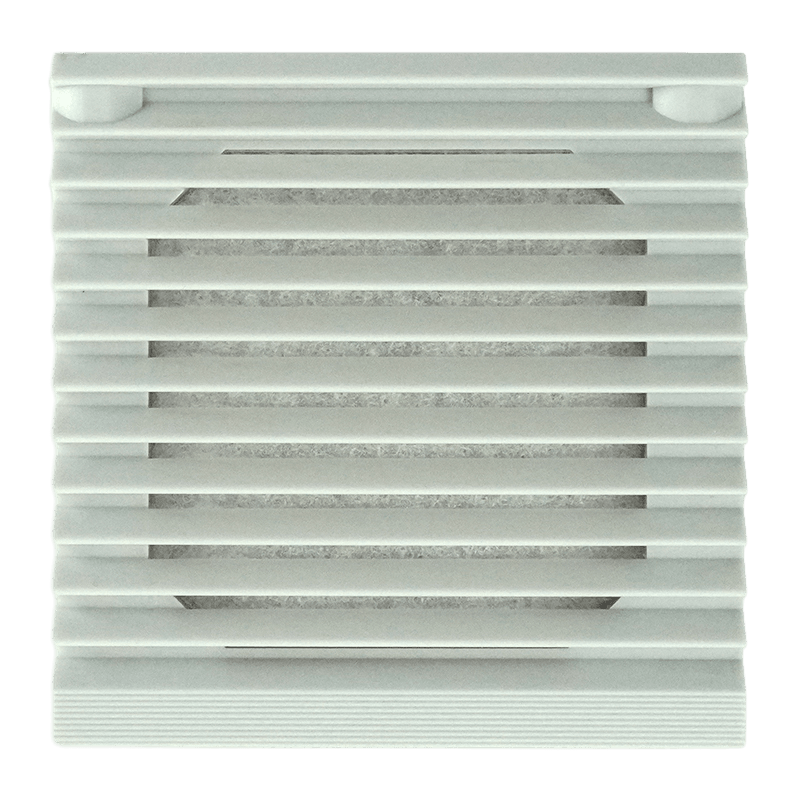
Plastic grilles: For smaller fans or those with plastic housings, injection-molded plastic grilles may be used. These are lightweight, non-corrosive, and can be molded in colors, but they offer less impact resistance than metal.
Mounting Brackets and Hardware: Brackets for mounting the fan are typically made from the same material as the housing: steel, aluminum, or plastic. Fasteners (screws, nuts, washers) are commonly zinc-plated steel for indoor use or stainless steel for outdoor or corrosive environments.
Protective Coatings: Beyond the finishes already mentioned, specialized coatings are applied for specific environments.
Epoxy coatings: Offer chemical resistance and are used in industrial or wastewater treatment applications.
PTFE-based coatings: Provide non-stick properties and chemical resistance for fans handling sticky or corrosive fumes.
Moisture-resistant treatments: Motors may receive moisture-resistant varnishes or sealants for use in humid or outdoor locations.


 Juanqiao Industrial Zone, Jinqing Town, Luqiao District, Taizhou City, Zhejiang Province, China.
 +86 - 18005764580
 [email protected]
© 2023 Zhejiang Meixing Mechanical and Electrical Co., Ltd. All rights reserved.
