
 English
 中文简体
中文简体 عربى
عربىFan Iron Cover
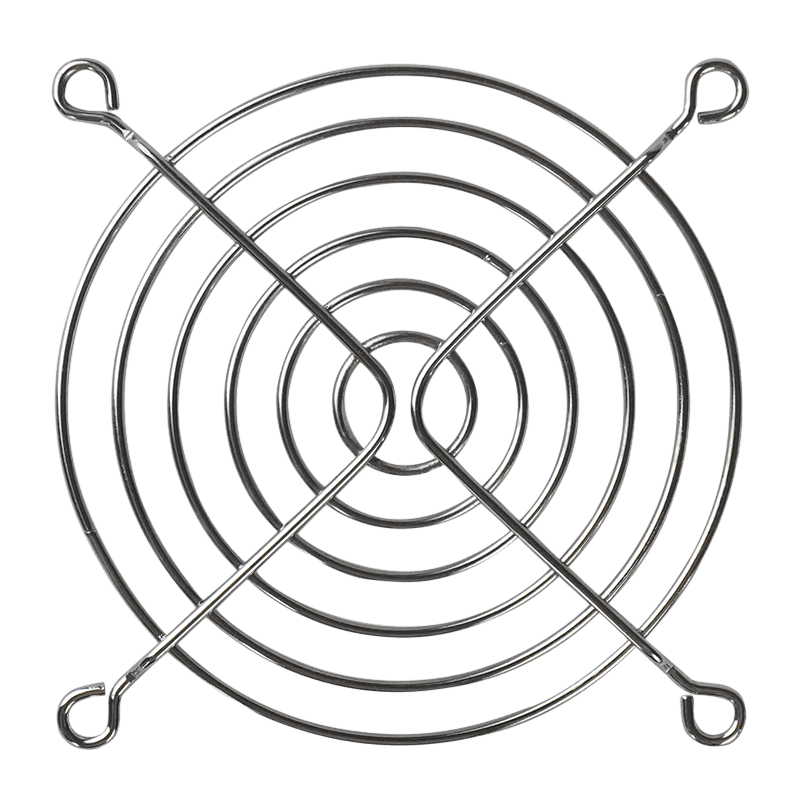
The Fan Iron Grill Guard serves as a critical accessory, prioritizing safety and func...
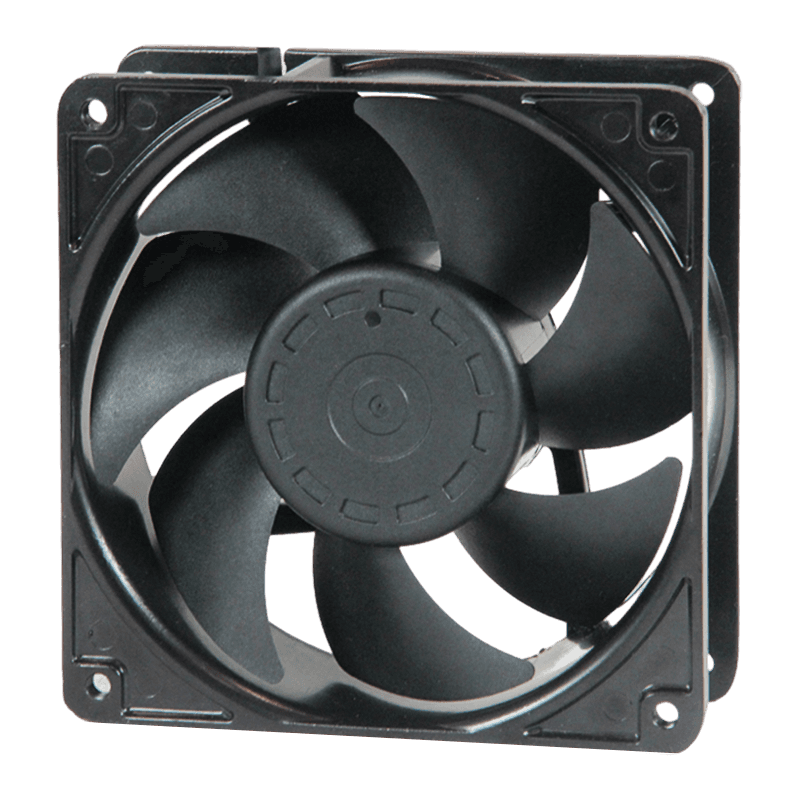
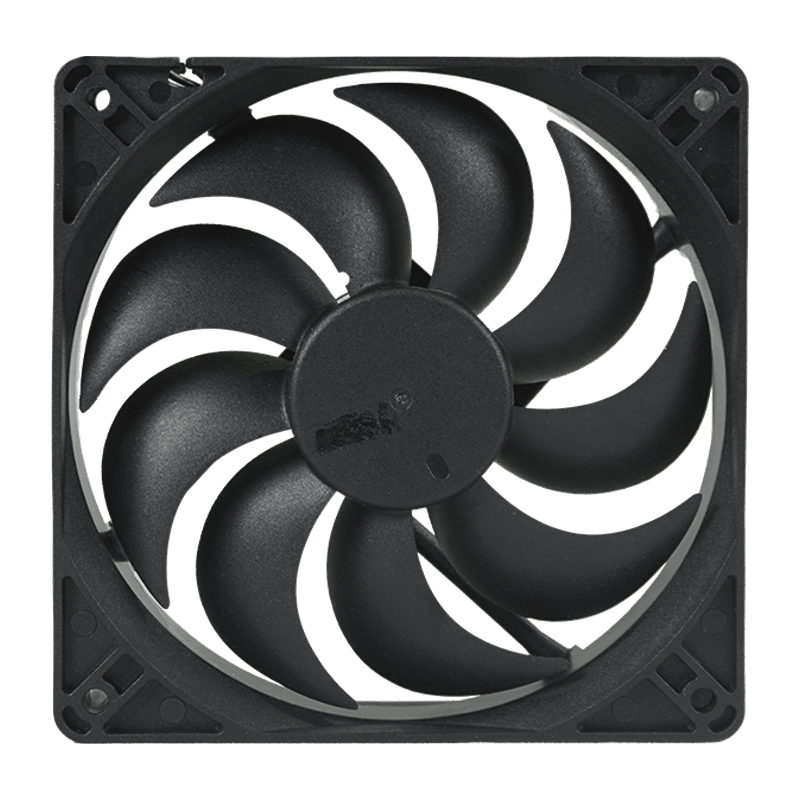
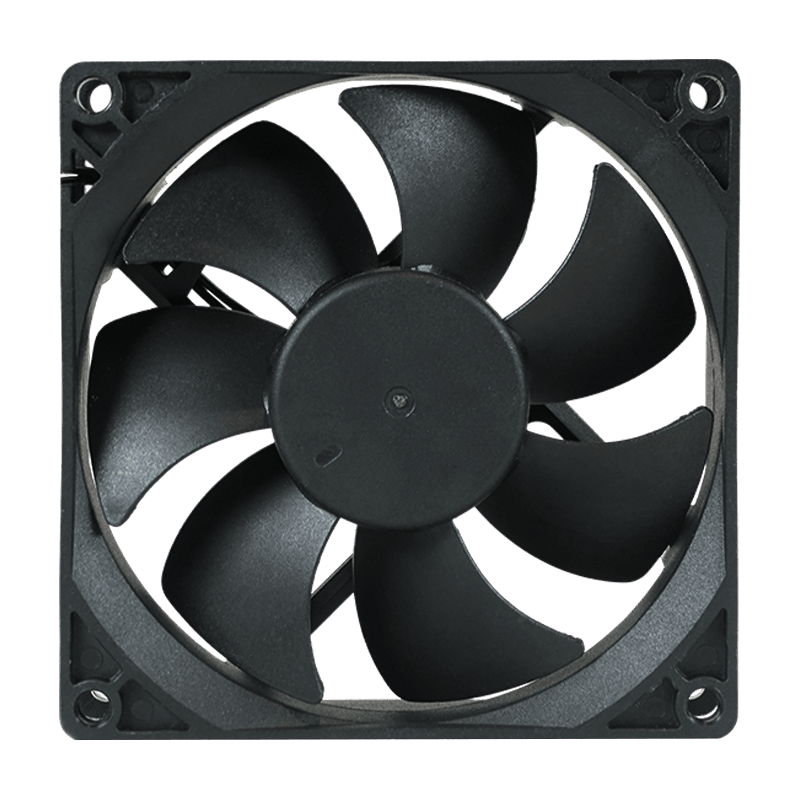
Main Functions of AC Axial Flow Fans
Air Movement and Circulation
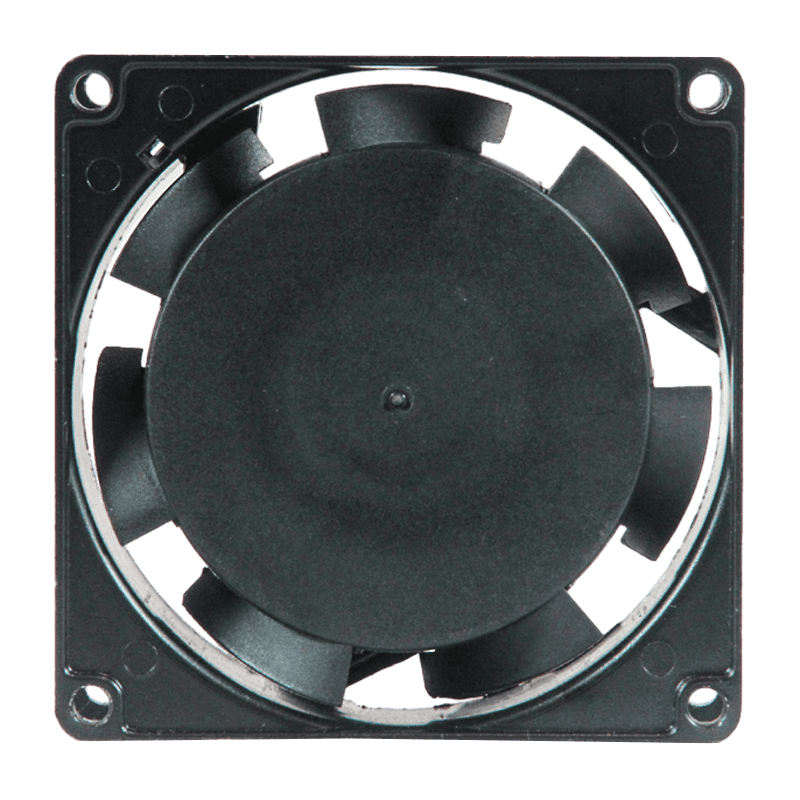
The primary function of an AC axial flow fan is to move air along an axis that is parallel to the fan shaft. When the fan blades rotate, they draw air in from one side and push it out in the same linear direction. This mechanism supports basic air circulation in enclosed or semi-enclosed spaces. By maintaining airflow, axial flow fans help prevent stagnant air and promote more even distribution of temperature and humidity within a given area. This function is fundamental in both industrial and commercial ventilation systems.
Heat Dissipation and Thermal Control
Another important function of AC axial flow fans is assisting with heat dissipation. Many electrical devices, machines, and enclosures generate heat during operation. Axial flow fans help remove warm air from these systems and replace it with cooler ambient air. This process supports thermal balance and helps equipment operate within intended temperature ranges. In applications such as control cabinets or electronic housings, the fan’s role in heat removal contributes to stable system performance.
Ventilation and Air Exchange
AC axial flow fans also function as ventilation components that support air exchange between indoor and outdoor environments. By exhausting stale air or introducing fresh air, they help manage indoor air conditions. This function is relevant in workshops, storage areas, and mechanical rooms where air quality and airflow direction need to be managed. The fan’s straightforward airflow pattern makes it suitable for applications requiring direct intake or exhaust.
Uses of AC Axial Flow Fans
Industrial and Manufacturing Settings
In industrial environments, AC axial flow fans are used to ventilate production areas, cool machinery, and support air circulation in large spaces. They are commonly installed on walls, ceilings, or equipment panels. Their ability to move significant volumes of air makes them suitable for environments where heat and airborne particles need to be dispersed. In manufacturing plants, these fans help maintain working conditions that support equipment operation and personnel comfort.
Commercial and Building Applications
AC axial flow fans are widely used in commercial buildings, including offices, warehouses, and retail spaces. They may be integrated into HVAC systems or used as standalone ventilation units. In these settings, the fans support airflow in corridors, equipment rooms, and utility spaces. Their compatibility with standard AC power supplies makes them easy to integrate into existing electrical systems without complex modifications.
Equipment and Electronics Cooling
Another common use of AC axial flow fans is in cooling electrical and electronic equipment. They are often installed in server racks, power supplies, and control panels. By directing airflow across heat-generating components, the fans help regulate internal temperatures. This use is based on the fan’s ability to provide continuous airflow with a relatively simple mechanical structure.
Advantages of AC Axial Flow Fans
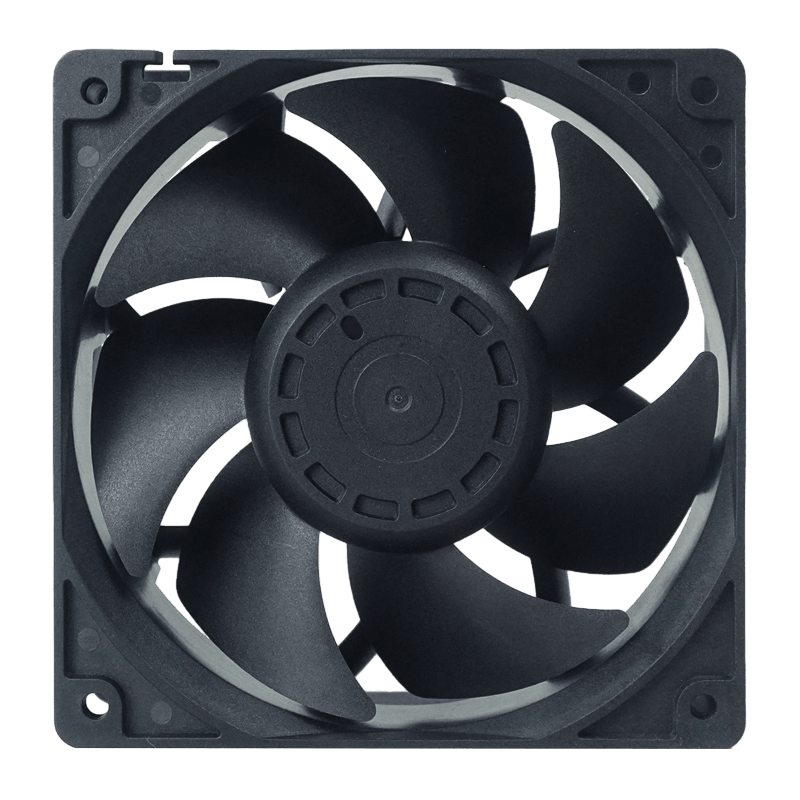
One advantage of AC axial flow fans is their straightforward design. The fan structure typically consists of a motor, blades, and a housing, which allows for simple installation and maintenance. This design supports reliable operation in a wide range of environments. The use of AC power also allows the fan to operate directly from standard electrical grids without additional power conversion equipment.
Another advantage is their ability to move relatively large volumes of air at moderate pressure. This makes AC axial flow fans suitable for applications where airflow quantity is more important than high static pressure. For example, in open or lightly ducted systems, these fans can effectively circulate air without requiring complex ductwork or additional components.
AC axial flow fans also offer flexibility in application. They are available in various sizes, blade designs, and mounting configurations. This allows them to be adapted to different airflow requirements and installation spaces. Whether used for ventilation, cooling, or air exchange, the same basic fan principle can be applied across multiple industries.
Durability is another practical advantage. Many AC axial flow fans are designed for continuous operation and can function over long periods with routine maintenance. When constructed with appropriate materials, they can withstand exposure to dust, temperature variations, and mechanical vibration. This makes them suitable for both indoor and certain outdoor applications, depending on the enclosure design.


 Juanqiao Industrial Zone, Jinqing Town, Luqiao District, Taizhou City, Zhejiang Province, China.
 +86 - 18005764580
 [email protected]
© 2023 Zhejiang Meixing Mechanical and Electrical Co., Ltd. All rights reserved.
