
 English
 中文简体
中文简体 عربى
عربىHow Are 200FZY Axial Flow Fans Used and What Challenges Do They Present?
200FZY axial flow fans are a type of industrial fan commonly used for ventilation, cooling, and air circulation in commercial and industrial environme...
READ MORE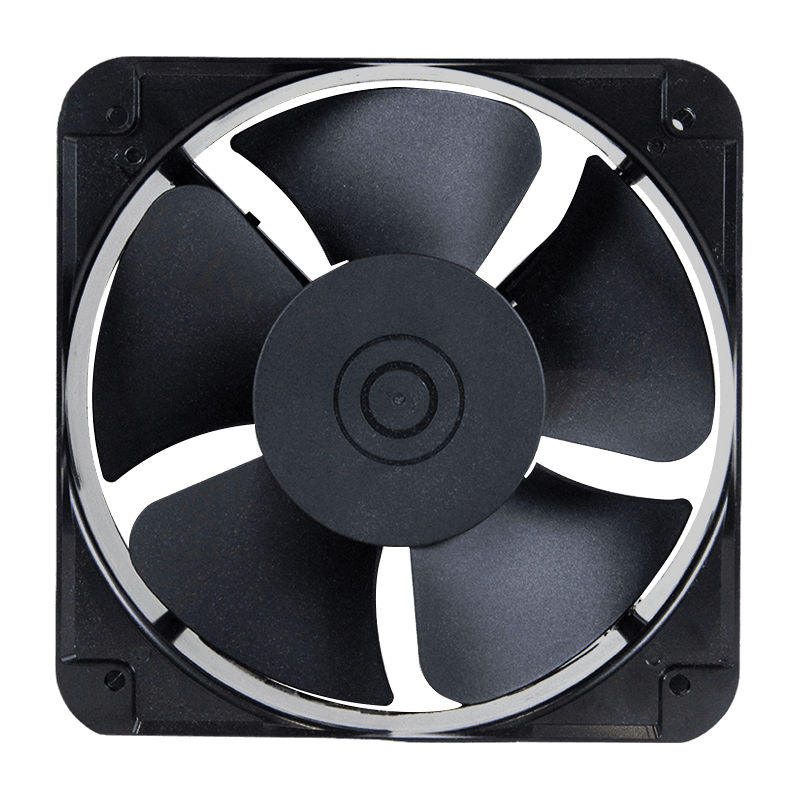
200FZY axial flow fans are a type of industrial fan commonly used for ventilation, cooling, and air circulation in commercial and industrial environme...
READ MOREUnderstanding the fundamental technology behind EC fans is essential for appreciating their role in modern cooling applications. The term "EC" refers ...
READ MOREAC axial flow fans are among the ubiquitous yet overlooked devices in modern life. Found in everything from computer equipment and household appliance...
READ MORE4 inch AC fans are compact electric fans widely used for ventilation, cooling, and air circulation in residential, commercial, and industrial applicat...
READ MOREUnveiling Cooling Powerhouses: A Dive into AC Axial Fan Varieties
In the realm of cooling technology, AC axial fans emerge as unsung heroes, tirelessly maintaining ideal temperatures in various applications. This exploration takes us through the basic information about the 200x200mm AC axial fan, the efficiency of the 8-inch ball bearing variant, and the reliability of the 220/240V AC ventilation fan.
The 200x200mm AC axial fan is a versatile cooling solution designed to strike a balance between size and efficiency. With its square shape and medium dimensions, this fan caters to diverse applications where consistent and reliable airflow is paramount. Commonly employed in electronic enclosures, HVAC systems, and industrial machinery, the 200x200mm AC axial fan ensures efficient heat dissipation.
Featuring a moderate size, the fan accommodates larger blades, translating to increased airflow without compromising stability. The AC power source ensures straightforward and dependable operation, making it an ideal choice for environments where continuous cooling is crucial. Whether tasked with dissipating heat from electronic components or improving ventilation in confined spaces, the 200x200mm AC axial fan stands out for its adaptability and effectiveness.
The 8-inch ball bearing AC axial fan combines power and durability within a compact frame. Engineered for efficiency, this fan boasts a larger blade diameter for enhanced airflow while benefiting from the reliability of ball bearings in its motor assembly. Ideal for critical applications like servers, electronic enclosures, and industrial equipment, the 8-inch ball bearing AC axial fan ensures a smooth and reliable performance over an extended operational life.
The integration of ball bearings reduces friction in the motor, contributing to a longer lifespan and lower noise levels during operation. This makes the 8-inch ball bearing variant a preferred choice for environments where consistent and uninterrupted cooling is essential. The compact frame design allows for easy integration into tight spaces without sacrificing performance, making it a versatile cooling solution.
The 220/240V AC ventilation fan is designed for applications demanding a higher voltage power supply. With a focus on reliability and efficiency, this fan excels in environments where a robust cooling solution is required. The higher voltage allows for increased power, resulting in a more potent airflow and improved cooling capabilities. Commonly utilized in industrial settings, data centers, and facilities with specific ventilation needs, the 220/240V AC ventilation fan ensures the effective dissipation of heat.
The fan's ability to operate on higher voltages makes it suitable for applications where power requirements are substantial. Its performance is optimized for demanding environments, contributing to the overall efficiency and reliability of cooling systems.
As we traverse the landscape of AC axial fans, the unique characteristics of each variant become evident. Whether it's the adaptability of the 200x200mm fan, the compact power of the 8-inch ball bearing variant, or the reliability of the 220/240V AC ventilation fan, these cooling powerhouses play a vital role in maintaining ideal temperatures across diverse applications. Understanding the features and applications of each fan type empowers us to make informed decisions, ensuring efficient and reliable cooling in various settings.

 Juanqiao Industrial Zone, Jinqing Town, Luqiao District, Taizhou City, Zhejiang Province, China.
 +86 - 18005764580
 [email protected]
© 2023 Zhejiang Meixing Mechanical and Electrical Co., Ltd. All rights reserved.

Wholesale 220/240V AC Ventilation Fan